Spinal surgery demands precision measured in millimeters. A small change in tool control can affect visibility, bone removal, and the surgeon’s access to delicate anatomy. The Global Burden of Disease study published in The Lancet Rheumatology estimated that 619 million people experienced low back pain in 2020. It projected that figure could reach 843 million by 2050. These numbers describe a broad health burden, not the number of patients who need surgery. Still, they help explain why careful evaluation of surgical instruments matters.
Advances in Micro Oscillating Saws for Minimally Invasive Spine Surgery have focused attention on compact handpieces, blade control, vibration, heat, and access through limited working corridors. For surgeons comparing the 2026 options, specifications alone are not enough. A blade that looks precise on a product sheet must also support steady handling and a clear view in real operating conditions. Small details matter. So do training, compatibility, and the manufacturer’s evidence. One caution: without a verifiable interview or publication, attributing a quotation to a named specialist would risk inventing authority. This guide therefore treats expert claims as claims to verify, not promotional proof. That restraint may feel less polished, but it is safer. The best saw is not automatically the newest one; the right choice depends on the procedure, the team, and the evidence available.
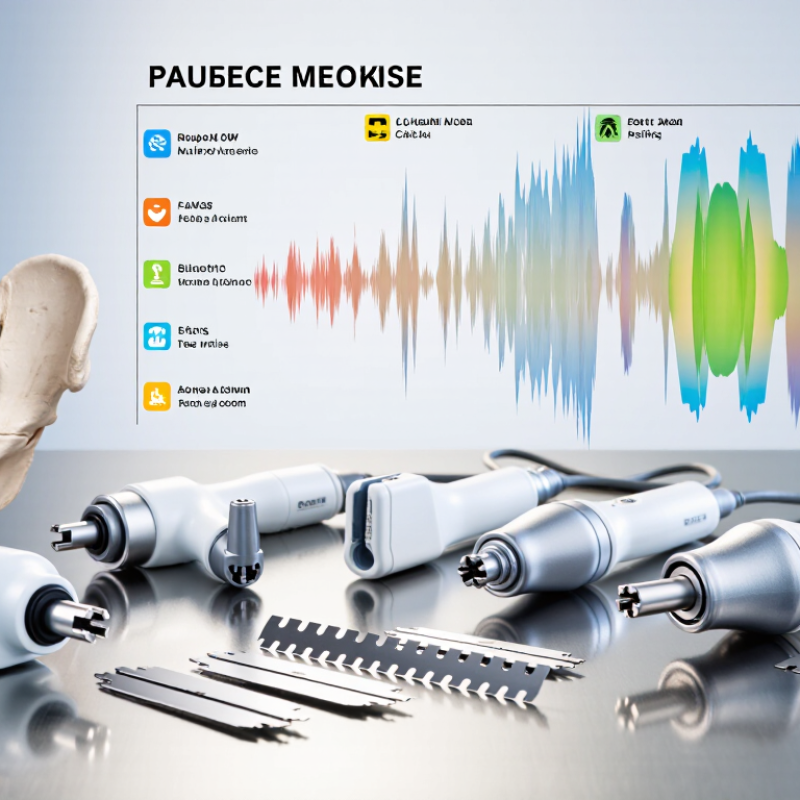
A micro oscillating saw is a compact powered instrument with a small blade that moves rapidly from side to side. In spine surgery, surgeons may use it to make controlled cuts during selected osteotomies, laminoplasty, or bone-graft shaping. The goal is a defined cut, not simply a faster one. Near the spinal canal, a few millimeters matter. The surgeon plans the blade path, protects nearby soft tissue, and monitors depth and heat. Irrigation may help limit heat buildup. Still, access can be tight, and visibility is not always ideal.
The clinical context is substantial, but it does not prove that a particular saw improves outcomes. The World Health Organization’s 2023 low-back-pain fact sheet estimated that 619 million people experienced low back pain in 2020, with projections reaching 843 million by 2050. The Global Burden of Disease 2021 analysis, published in The Lancet Rheumatology, also identified low-back pain as a leading cause of disability worldwide. These figures describe disease burden, not the number of patients needing surgery. That distinction matters. A micro saw is one tool among many; surgeons weigh anatomy, imaging, bone quality, and the risk of injury to nerves or the dura. Even a neat-looking cut can require reassessment. Surgical teams should follow device instructions, training, and local protocols.
A micro oscillating saw is a powered bone-cutting instrument with a small blade that moves back and forth through a limited arc. There is no single best choice for every spinal procedure: suitability depends on the planned cut, access, nearby neural structures, instrument design, and the manufacturer’s instructions for use.
| Instrument or selection profile | Cutting action | Potential role in spine surgery | Potential advantages | Important considerations | Checks before selection |
|---|---|---|---|---|---|
| Micro oscillating saw | A small blade oscillates through a limited arc to cut bone. | May be considered for selected, planned bone cuts, including some laminoplasty techniques, when the instrument and approach are appropriate. | Can provide a defined cut with a narrow blade profile; the available blade shapes and guards vary by system. | Blade travel and cutting depth require control. Use near the dura, spinal cord, nerve roots, or other vulnerable structures requires particular care. | Confirm intended use, blade dimensions, guard options, handpiece compatibility, irrigation guidance, and reprocessing instructions in the device instructions for use. |
| Micro reciprocating saw | The blade moves back and forth in a linear path. | May be used for selected bone-cutting tasks if the instrument is intended for the procedure and the surgical plan allows its use. | Linear blade motion may suit certain cut geometries; blade length and profile are system-dependent. | A reciprocating action is not the same as an oscillating arc. Access, blade excursion, and protection of adjacent tissue must be assessed. | Check the planned cut, blade excursion, available protective features, and whether the device is specified for the intended surgical use. |
| High-speed drill or burr | A rotating burr removes bone by abrasion. | Commonly used for bone removal and shaping in a range of spinal procedures, according to surgical technique and device instructions. | A range of burr shapes and sizes can support controlled bone sculpting. | Requires control of the rotating tip, heat, debris, and proximity to soft tissue and neural structures. | Review burr geometry, irrigation requirements, handpiece controls, and the team’s established technique. |
| Ultrasonic bone-cutting instrument | A vibrating tip cuts bone using ultrasonic motion; performance depends on the device and tip. | May be considered for selected bone-cutting steps where the instrument is appropriate and available. | May offer a different cutting profile from a saw or rotating burr. | It is not risk-free around neural or soft-tissue structures; technique, tip selection, and device-specific precautions matter. | Check the approved indications, tip options, irrigation guidance, and evidence for the specific procedure. |
| Manual osteotome or chisel | A manually controlled edge cuts or separates bone, typically with applied hand force or a mallet. | Can be used for selected bone-cutting or shaping steps as part of an established technique. | Does not require a powered handpiece and is available in different edge designs. | Force transmission and control depend on the technique and anatomy; it is not interchangeable with a powered saw. | Match the instrument to the planned cut, access, and the surgeon’s training and established workflow. |
| Criterion | What to evaluate | Why it matters |
|---|---|---|
| Intended procedure and indication | Confirm that the device and blade are intended for the planned use under the applicable instructions and regulations. | A device suitable for one bone-cutting task may not be suitable for another. |
| Blade and guard design | Review blade width, length, shape, exposed cutting edge, and available guards. | These features affect access, cut geometry, and the ability to protect nearby structures. |
| Control and visibility | Assess handpiece balance, trigger control, access to the operative field, and compatibility with the planned approach. | Reliable handling and a clear view of the cutting site are important for controlled bone work. |
| Heat and irrigation guidance | Follow the manufacturer’s recommendations for irrigation and use; do not assume all systems have the same requirements. | Cutting conditions and heat management vary with the device, blade, bone, and technique. |
| Compatibility and reprocessing | Verify handpiece and blade compatibility, sterilization requirements, inspection steps, and service support. | Compatibility and validated reprocessing are essential for safe, dependable use. |
| Training and evidence | Consider clinician training, institutional protocols, and procedure-specific clinical evidence. | There is no universal “best” saw; the appropriate instrument depends on the patient, anatomy, procedure, and clinical judgment. |
Clinical note: This table is for general educational comparison, not a product ranking or a substitute for clinical judgment. Always follow the specific device instructions for use, institutional protocols, and the treating surgeon’s training and judgment.
It uses a rapidly moving blade with a short, controlled arc. Its narrow profile can help shape openings in confined spinal areas. It is not automatically precise.
Seeing the blade tip helps the surgeon track its path around small structures. A slight angle change can redirect the cut. Millimeters matter.
A slim handpiece, compact head, balanced grip, and low vibration may support access and control. Design and technique still vary.
Blade sharpness, geometry, cutting efficiency, speed, and irrigation can affect heat management. An animal study reported tissue injury after bone remained at 47°C for one minute. That is not a universal clinical cutoff.
Check the handpiece, cable or battery, blade attachment, and protective features against the device instructions. Confirm the blade is sterile, compatible, and visibly undamaged. Small checks matter.
No. Follow the validated instructions for that device. Clean joints and recessed areas as directed. Do not assume immersion or lubrication is allowed.
The clinical team should stop and reassess the instrument. Inspect it under good light and follow the appropriate service process. Do not ignore a new vibration.
No. Accuracy depends on visibility, handling, anatomy assessment, technique, and clinical judgment. Training can reduce avoidable risk, but it cannot remove uncertainty. Device specifications are not proof of performance.
This article explains what micro oscillating saws are and how they are used in spine surgery, where controlled bone removal can help create access while limiting unnecessary disruption to surrounding structures. It describes how a rapidly oscillating blade cuts bone and how careful handling, suitable blade selection, and a stable surgical technique may support precision. Advances in Micro Oscillating Saws for Minimally Invasive Spine Surgery have also brought greater attention to compact designs, ergonomics, vibration control, and visibility within a confined operating area.
The guide outlines how to evaluate a saw’s power, balance, compatibility, and ease of use in relation to the procedure and clinical setting. It also emphasizes that safety extends beyond the operation: instruments require appropriate cleaning, sterilization, inspection, and maintenance according to established protocols and manufacturer instructions. Together, these considerations help surgical teams assess performance and reliability while supporting consistent preparation and responsible use.

