China Best Quick Change Cannulated Drills for Surgery

Time:2026-11-25 Author:Madeline
0%

Choosing a cannulated drill is not just a matter of speed. In surgery, teams also need predictable handling, secure guidewire alignment, and compatibility with their instruments and power systems. A quick-change coupling can reduce delays when staff switch between drill bits, but its value depends on reliable engagement and a clear, repeatable workflow. Small details matter. A loose connection or poorly matched component can interrupt a procedure and demand attention.

“Optimizing Group Wound Management: Why Quick-Change Cannulated Drills Save Operating Time” frames an important purchasing question: how can a drill support coordinated work without making safety claims that depend on the clinical setting? This overview considers features buyers may compare when assessing cannulated drills from Chinese manufacturers, including chuck design, size range, material documentation, cleaning instructions, and service support. Fit comes first. Product specifications, validated processing guidance, and compatibility should be confirmed with the manufacturer and the hospital’s clinical and sterile-processing teams. A fast exchange mechanism alone does not establish quality or suitability. Teams should also consider training, maintenance, and how the device performs under their own protocols. That may sound less exciting than a speed claim, but it is more useful. No single drill is best for every procedure or facility. The right choice is the one that meets documented requirements and supports careful, consistent use.
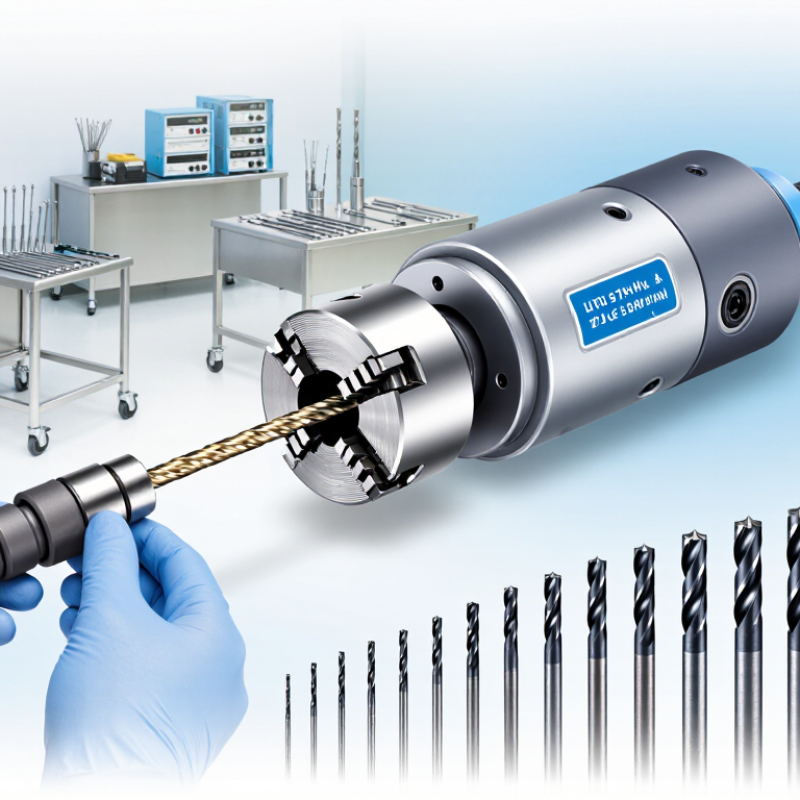
China Best Quick Change Cannulated Drills for Surgery

What Quick-Change Cannulated Drills Are and How They Work

A quick-change cannulated drill combines a hollow drill shaft with a fast-release connection to a surgical handpiece. The shaft passes over a guide wire, helping the surgeon maintain a planned trajectory while drilling. The wire stays in place as compatible drill attachments are exchanged. A small metal collar or locking sleeve usually secures each attachment. Click, check, drill.

The cannulation supports alignment; the quick-change coupling saves time between steps. These features matter in procedures where a guide wire marks the path through bone. A 2015 Lancet analysis estimated that about 313 million operations took place worldwide in 2012, underscoring the scale of surgical care—not the use of any single instrument. The figure is broad, not a measure of drill demand.

In practice, fit and handling deserve close attention. The drill, wire, and attachments must be compatible, and the connection should be checked before use. Bone debris can also affect visibility or movement inside a narrow shaft. That convenience is not magic. Quick changes do not replace careful trajectory control, sterile technique, or the device instructions. Even a well-designed coupling can feel less secure with wet gloves, so users should confirm engagement rather than rely on sound alone.

Key Components and Features of Cannulated Drill Systems

A cannulated drill system is built around a hollow drill shaft that passes over a guide wire. The wire helps maintain the intended path, while the cutting tip creates an opening in bone. Small parts matter. A quick-change coupling connects the drill to the handpiece and allows shaft exchanges without changing the entire setup. Its lock should engage firmly; a loose connection can affect control and performance.

Other useful components include a guide-wire sleeve, depth markings, and a depth stop. The sleeve helps support the wire near the working area, while clear markings let the team check drilling depth. A stop can limit travel when the procedure calls for it. Fit matters. The wire diameter, drill lumen, coupling, and handpiece must be compatible. Even slight mismatch can cause binding, excess movement, or poor alignment.

Design details deserve close attention. Smooth internal surfaces make cleaning easier, but cannulated instruments still need validated reprocessing according to their instructions for use. Check the shaft for visible damage and confirm the coupling locks before use. A quick-change feature saves time, though speed should never replace a secure fit or careful depth control. That balance is easy to underestimate.

How Quick-Change Mechanisms Support Surgical Workflow

In surgery, a cannulated drill advances over a guidewire, helping the team prepare a controlled path for a compatible implant. A quick-change mechanism lets trained staff switch attachments without rebuilding the entire setup. That can reduce pauses when a procedure calls for different drill sizes. Small details matter: the wire must remain stable, the attachment must seat fully, and the connection should be checked before use.

The workflow benefit is practical, not automatic. A clear handoff keeps the next instrument ready while the surgeon maintains attention on the operative field. Less searching. Fewer interruptions. Still, quick changes require deliberate checks for fit, locking, and instrument condition. A rushed exchange can create confusion rather than save time. Teams should follow the device instructions for assembly, cleaning, and sterilization, then rehearse the sequence within their normal training. The mechanism may feel intuitive, but unfamiliar attachments can slow a case. That is worth noticing and correcting, not glossing over. When the setup is consistent, quick-change access can support a smoother sequence without replacing careful technique or communication.

China Best Quick Change Cannulated Drills for Surgery - How Quick-Change Mechanisms Support Surgical Workflow

Workflow dimension Quick-change cannulated drill Manual-change setup Practical surgical consideration
Instrument exchange A compatible tool can be released and attached using the handpiece’s specified quick-change interface. Changing tools may require operating a separate chuck or tightening mechanism. The actual exchange steps depend on the handpiece and attachment design; follow the instructions for use.
Guidewire passage The drill’s cannulation allows it to be advanced over a compatible guidewire when the system is designed for that use. Cannulation is also possible with suitable fixed or manually tightened drill systems. Confirm guidewire and instrument compatibility, and maintain the intended guidewire position during drilling.
Coupling security The attachment must be fully seated and locked according to the coupling design before use. The chuck or locking feature must be tightened as directed to retain the tool. Check engagement before activation; do not use an attachment that is loose, damaged, or incompatible.
Instrument compatibility Quick-change interfaces are system-specific; appearance alone does not establish compatibility. Chuck capacity and tool-shank requirements vary by handpiece and attachment. Verify the approved handpiece, drill, guidewire, and accessory combination in the relevant instructions for use.
Workflow continuity A rapid coupling can make planned attachment changes more straightforward when compatible tools are prepared. Tool changes may involve additional handling steps, depending on the chuck design and workflow. Any time or workflow benefit depends on the procedure, team familiarity, and instrument setup.
Cleaning and sterilization Couplings and cannulated passages require cleaning and processing as specified for the device. Chucks and tool interfaces also require inspection and reprocessing under their validated instructions. Follow the manufacturer’s validated cleaning, inspection, and sterilization instructions; do not assume all systems share the same cycle.
Operating parameters Permitted speed, torque, and operating conditions depend on the handpiece, attachment, and drill. Operating limits likewise depend on the specific equipment and intended use. Use only the parameters stated in the applicable instructions for use and clinical protocol.

Specifications and coupling designs vary by device system. This comparison is general workflow information, not a substitute for the device instructions for use or clinical judgment.

Common Surgical Applications and Compatibility Considerations

China Best Quick Change Cannulated Drills for Surgery

Common Surgical Applications and Compatibility Considerations

Cannulated drills are used in procedures where drilling follows a guide wire, including selected fracture fixation and foot or ankle operations. The wire helps guide the drill toward the planned site, while the hollow shaft allows it to pass over the wire. This can support controlled placement, but it does not replace careful imaging or clinical judgment. Small details matter.

Before use, teams should confirm that the drill’s cannula fits the intended guide-wire diameter and that the wire remains straight and undamaged. Check the quick-change connection against the powered handpiece, including locking engagement and the manufacturer’s stated speed and torque limits. A connection that seems secure by hand may still need the specified verification. Do not assume similar-looking fittings are interchangeable.

Also consider the drill’s working length, cutting diameter, and intended procedure. These affect access, bone engagement, and compatibility with related instruments. Review the device instructions for cleaning and sterilization requirements; narrow cannulas can retain debris if processed incorrectly. A rushed compatibility check can miss a mismatch between wire, drill, and handpiece. That deserves a second look.

How to Evaluate Chinese Manufacturers for Quality and Safety

For a cannulated drill, a clean certificate file is only the starting point. Ask manufacturers for a device-specific risk analysis, lot traceability, and test records covering runout, torque, heat, and repeated sterilization. Then inspect the details: Does the cannula remain clear after use? Can staff see wear near the cutting tip? Request sample instruments and review the inspection method, not just the final pass stamp. ISO 13485 addresses medical-device quality systems, while ISO 14971 provides a framework for managing device risks. Neither standard proves that a particular drill performs well in surgery.

Sterility deserves equal scrutiny. The World Health Organization’s Global Guidelines for the Prevention of Surgical Site Infection report that about 11% of patients undergoing surgery in low- and middle-income countries develop an infection. That figure is not specific to drills, but it underscores why validated cleaning and sterilization instructions matter. Ask for validation evidence, including how narrow lumens are flushed, dried, and inspected. Check whether packaging protects the cutting edge during transport, and whether instructions match the sterilization equipment used at your facility. A supplier may answer every question well and still leave gaps. I would record unresolved points, compare claims against test reports, and revisit them after sample evaluation. A polished audit can miss a practical problem: a blocked lumen that is hard to spot under routine lighting.

FAQS

What is a cannulated drill system?

It has a hollow shaft that passes over a guide wire. The cutting tip opens bone.

How does the guide wire help?

It helps maintain the planned drilling path. It does not replace imaging or clinical judgment.

Which parts help manage drilling depth?

Depth markings let the team check how far the drill has entered. A depth stop can limit travel when needed. Small details matter.

What should be checked on a quick-change coupling?

Confirm that it fits the handpiece and locks firmly. Follow the stated speed and torque limits. A hand check alone may not be enough.

Are similar-looking fittings interchangeable?

Do not assume they are. Verify compatibility against the device instructions. Fit matters.

Why must the wire and drill dimensions match?

The wire diameter must suit the drill’s lumen. A mismatch can cause binding, extra movement, or poor alignment.

Which drill dimensions affect compatibility?

Check the working length and cutting diameter against the procedure and related instruments. Small differences can matter.

What should teams check before use?

Look for visible shaft damage, and confirm the coupling locks. Check that the guide wire is straight and undamaged. Easy to overlook.

How should a cannulated drill be cleaned?

Follow the device’s reprocessing instructions. Narrow channels can retain debris if processed incorrectly. Smooth surfaces help, but they do not guarantee cleanliness.

Conclusion

Quick-change cannulated drills are designed to work over guidewires, helping surgeons create accurately aligned channels while supporting controlled bone preparation. Their systems typically combine a compatible power handpiece, cannulated drill attachments, secure connections, and instruments suited to the procedure. A quick-change mechanism allows attachments to be exchanged efficiently, which can reduce interruptions and support a smoother surgical workflow.

Optimizing Group Wound Management: Why Quick-Change Cannulated Drills Save Operating Time highlights how efficient instrument changes may help teams coordinate procedures and manage operating-room time. Applications and compatibility depend on the surgical technique, guidewire dimensions, handpiece connection, and instrument specifications. When evaluating Chinese manufacturers, healthcare purchasers should review documented quality systems, material and manufacturing information, product testing, traceability, and clear instructions for use. Careful assessment helps ensure that selected equipment is appropriate for the intended clinical setting and can be maintained and handled consistently.


Madeline

Madeline

Madeline is a dedicated marketing professional with a wealth of expertise in our company's core offerings. With a keen understanding of the industry, she brings a unique perspective to her role, consistently delivering high-quality content that highlights the superior aspects of our products. As......