Choosing a multifunctional orthopedic power system is a clinical and operational decision, not simply a comparison of motor speed. The Lancet Commission on Global Surgery estimated that about 313 million operations take place worldwide each year. That figure covers all surgical specialties, not orthopedic procedures alone, but it underscores the scale of equipment demands. In a busy theatre, surgeons and staff need predictable control, dependable battery performance, and instruments that can be cleaned and reprocessed according to the manufacturer’s instructions.
The focus of this outline is “Top Features Surgeons Look for in a Multifunctional Orthopedic Power System”: a practical guide to evaluating handpieces, attachments, power options, ergonomics, and service support. Market research firms, including Grand View Research, publish reports on orthopedic power tools, but estimates can vary with product definitions and market scope. Buyers should check each report’s methodology rather than treating a headline figure as a clinical measure. Useful comparisons also come from documented testing, user feedback, and the facility’s own maintenance records.
Surgeon and author Atul Gawande wrote, “The volume and complexity of what we know has exceeded our individual ability to deliver its benefits correctly, safely, or reliably” in The Checklist Manifesto. His observation concerns healthcare more broadly, not orthopedic power systems specifically. Still, it offers a useful reminder: features matter only when teams can select, operate, and maintain them consistently. A compact handpiece may feel balanced in the surgeon’s glove, yet battery changes or cleaning steps can complicate workflow. Small details count. This guide weighs those trade-offs and leaves room for a less convenient truth: no single system suits every procedure, team, or hospital.
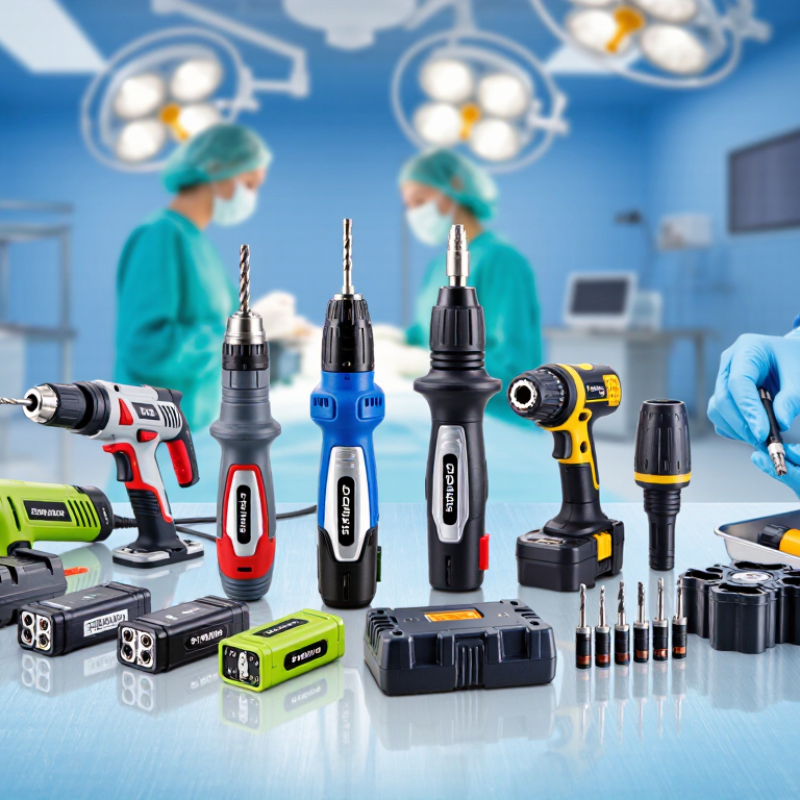
Start with the procedures the system must support, not the longest feature list. Trauma fixation may call for dependable drilling and screw insertion. Joint replacement workflows may need saws, reamers, or dedicated attachments. Write down the team’s typical case mix, bone types, access constraints, and procedure volume. Then rank practical needs: controlled speed, adequate torque, low vibration, balanced handling, and controls that are easy to use with gloves. Details matter. A tool that feels balanced on a bench may become tiring during a long case. Ask surgeons and operating-room staff to handle it in realistic positions.
Clinical requirements include reliable power throughout a case, efficient attachment changes, and a workable plan for batteries and charging. Confirm each attachment is suitable for the intended procedure and compatible with the handpiece. Review the device’s reprocessing instructions against the facility’s cleaning and sterilization workflow. Check maintenance needs, training requirements, and access to technical support. A trial can reveal issues that a specification sheet misses, such as awkward cable routing or controls that are hard to distinguish under pressure. Preferences may change after repeated use. Record the trade-offs, including setup time, handling, noise, and staff feedback, before choosing a configuration.
| Intended Procedure | Common Powered Tasks | Functions to Consider | Clinical and Workflow Requirements | Selection Checks |
|---|---|---|---|---|
| Trauma and fracture fixation | Drilling for screws, pin or wire insertion, and bone cutting where required. | Drill/driver with suitable attachments; optional pin or wire driver; compatible saw attachment when needed. | Controlled drilling, secure accessory connection, practical access to the operative site, and reliable availability of charged power sources. | Confirm compatibility with the facility’s drill bits, fixation instruments, and sterilization workflow. Check how the system handles battery exchange during procedures. |
| Joint arthroplasty | Bone preparation, cutting, and reaming according to the procedure and surgical plan. | Appropriate saw type and blade options; reamer or drill attachments where indicated; a handpiece configuration suited to the planned approach. | Consistent handling, access to the surgical field, and efficient instrument changes. Blade and attachment availability should match the facility’s case mix. | Verify the approved attachments and consumables for each planned procedure. Review cleaning, sterilization, and inspection steps for the handpiece and accessories. |
| Spine procedures | Drilling and, when specified by the procedure, bone removal with a burr or other powered instrument. | Drill/driver options and compatible burr attachments, if required; controls that allow the intended operating mode to be selected clearly. | Consider access, control, visibility, and the team’s established workflow. Confirm that the chosen configuration is intended for the specific procedure. | Check the device instructions for use (IFU), compatible accessories, and any procedure-specific limitations. Include staff training in the selection process. |
| Small-bone and hand procedures | Fine drilling, wire or pin placement, and limited bone cutting as required. | Compact handpiece options, suitable drill/driver attachments, and a compatible pin or wire driver when used by the clinical team. | Manageability and access may be important in a confined operative field. Select controls and attachments familiar to the team. | Confirm that the system accepts the required small-diameter instruments and that the specified accessories are available and reprocessable as directed. |
| Long-bone canal preparation | Reaming or drilling when included in the planned procedure. | Compatible reamer or drill attachments designed for the intended task; suitable power source and accessory range. | Plan for the full instrument sequence, accessory changes, and power availability. Ensure that equipment setup fits the operating-room workflow. | Verify attachment compatibility, permitted use, and maintenance requirements in the IFU. Do not assume that every multifunctional system supports every reaming task. |
| A mix of orthopedic procedures | Different combinations of drilling, driving, sawing, pinning, or reaming across the service line. | A modular platform with only the handpieces and attachments needed for the facility’s actual procedure list. | Balance versatility with setup time, storage, staff familiarity, inventory management, and access to backup equipment. | Map each procedure to a specific handpiece and attachment before purchase. Review lifecycle costs, service support, training, and reprocessing requirements. |
Planning note: Requirements and compatible configurations vary by system and procedure. Confirm intended use, accessory compatibility, reprocessing instructions, and maintenance requirements in the current manufacturer IFU, and involve the relevant clinical, sterile-processing, and biomedical engineering teams.
Start with common procedures, bone types, access limits, and case volume. Then rank practical needs such as speed, torque, vibration, and handling.
A balanced tool on a bench may feel tiring during a long case. Have surgeons and operating-room staff try it in realistic positions. Small details matter.
Confirm each attachment suits its intended procedure and fits the handpiece. Test how quickly staff can change attachments during setup.
Check that power can last through a case. Plan charging and replacement needs, too. Battery estimates may not stay exact.
Compare the device’s cleaning and sterilization instructions with the facility’s workflow. Check maintenance needs and access to technical support.
Confirm the system is authorized for its intended use in the region. Review its labeling, instructions, and service records, and ask how updates are shared.
Include the handpiece, attachments, cleaning, battery care, and safe operation. Train with the actual components staff will use. People forget.
Include batteries, attachments, maintenance, repairs, and training over several years. Ask about repair turnaround and loan equipment. Purchase price alone can mislead.
Choosing a multifunctional orthopedic power system starts with the procedures it must support and the clinical demands of the operating environment. Consider which instruments and attachments are essential, whether they are compatible with the system, and how easily the setup can adapt to different tasks. The Top Features Surgeons Look for in a Multifunctional Orthopedic Power System include dependable power, precise control, comfortable handling, and practical safety features that support consistent use during procedures.
A complete evaluation also looks beyond performance. Check sterilization requirements, routine maintenance needs, availability of technical support, and the training required for staff. Confirm that the system meets applicable regulatory requirements, and compare its expected lifecycle costs, including upkeep and replacement components. Weighing these factors together helps clinical teams choose a system that fits their workflows, supports safe operation, and remains practical over time.

