How to Prevent Thermal Necrosis in Acetabular Grinding?

Time:2026-11-15 Author:Ethan
0%

Acetabular grinding can look controlled: a rotating reamer shapes the socket, and irrigation clears the field. Yet friction at the bone–instrument interface can quietly raise local temperature. The risk is thermal injury, which may impair bone viability and complicate healing around a joint replacement. Temperature Control in Acetabular Grinding: Preventing Thermal Necrosis in Joint Replacement examines how surgical technique, instrument condition, and cooling work together to limit that risk.

Professor Thomas Albrektsson’s research on bone response offers a useful caution: living bone has limits, and sustained heat can compromise its viability. This is a paraphrase of the principle, not a verbatim quotation. In practice, temperature control is not one setting on a machine. It involves sharp reamers, appropriate irrigation, measured pressure, and brief, deliberate passes. The sound of the tool may change. So can the color and texture of bone debris. These details deserve attention, although none alone proves that tissue is safe.

Small choices matter. A worn cutter or prolonged contact can add heat when visibility is already poor. Teams should follow device instructions and established clinical protocols, while adapting technique to the patient and operative conditions. Monitoring methods also have limits; a reading from one point may not capture every hot spot. That uncertainty is worth acknowledging. Preventing thermal necrosis calls for careful control, clear communication, and a willingness to reassess—not confidence based on irrigation alone.
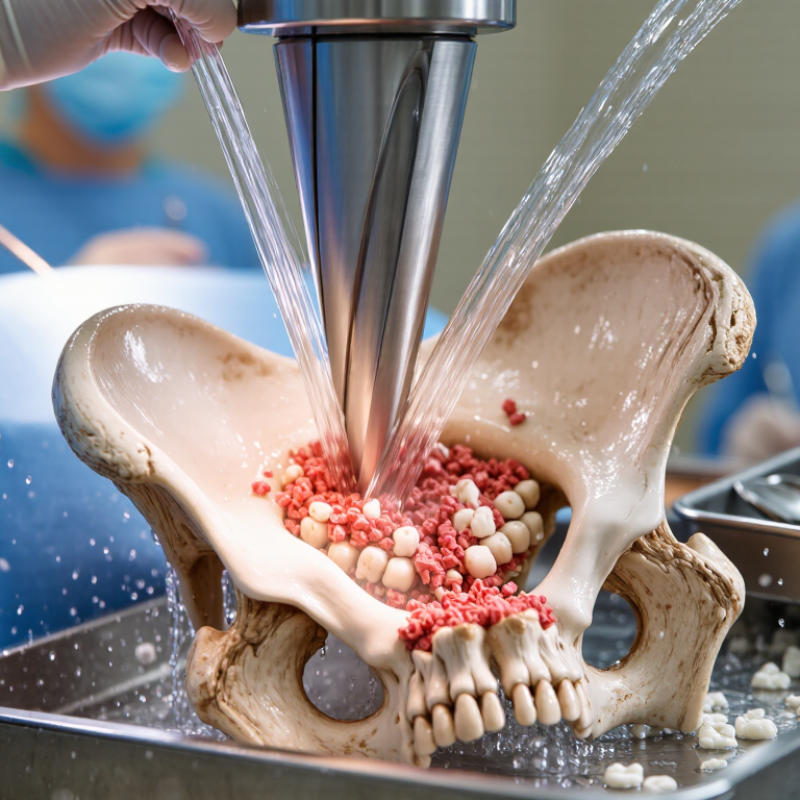
How to Prevent Thermal Necrosis in Acetabular Grinding?

Define Thermal Necrosis: Bone Damage Risk at 47°C for 1 Minute

How to Prevent Thermal Necrosis in Acetabular Grinding?

Bone can be injured by heat before the surface looks visibly damaged. Exposure near 47°C for about one minute is commonly cited as a warning benchmark for bone-cell injury. It is not a precise cutoff for every patient or procedure. Risk also depends on how long heat lasts, local blood flow, and the condition of the bone. Heat can accumulate.

During acetabular grinding, friction rises when a tool presses hard, moves continuously, or encounters packed bone debris. Use a sharp, appropriate instrument and controlled contact rather than forcing the reamer. Maintain effective irrigation, and check that fluid reaches the working surface instead of pooling nearby. Short pauses can help limit heat buildup. Small details matter.

A cool-looking field does not prove that deep bone stayed cool. Irrigation may be uneven, and temperature can vary across the cavity. That uncertainty deserves respect; visual judgment alone is imperfect. Follow established surgical protocols, use equipment as intended, and adjust technique if irrigation is restricted or resistance increases. Individual clinical decisions belong to the qualified surgical team.

Identify Heat Sources and Risk Factors During Acetabular Reaming

Thermal injury during acetabular reaming can begin with friction at the cutting surface. A dull or clogged reamer may generate more heat, especially when the surgeon applies sustained pressure or makes repeated passes. Dense sclerotic bone can add resistance. High rotational speed, poor irrigation, and trapped bone debris may further limit cooling. The risk is not always obvious. A smooth-sounding reamer does not guarantee a cool bone surface.

Watch for prolonged contact, reduced irrigation flow, and debris collecting around the cutting head. These clues matter more when working in dense bone or a confined field. Pause as needed to clear debris and allow cooling, while following the device instructions and surgical judgment. Temperature measurements can help in some settings, but readings vary by location and technique. There is no single visual cue that reliably rules out thermal damage; that uncertainty deserves attention.

Tips: Keep irrigation unobstructed. Avoid forcing a dull reamer. Use controlled passes, and reassess when resistance rises or debris stops clearing.

Choose Sharp Reamers and Controlled Speed to Reduce Frictional Heat

Acetabular reaming creates heat when the cutter rubs against bone. Sharp, clean reamers cut more efficiently than worn or clogged teeth, reducing unnecessary friction. Inspect the cutting edges before use and replace damaged instruments according to the manufacturer’s instructions. Use a controlled rotational speed with steady, light pressure. Avoid forcing the reamer through resistant bone. Short, deliberate passes can limit continuous contact; irrigation helps carry away heat and bone debris. Small details matter.

Friction control is important because bone injury depends on both temperature and exposure time. Eriksson and Albrektsson reported bone injury after rabbit bone was exposed to 47°C for one minute in a 1983 study in the Journal of Prosthetic Dentistry. Lundskog’s experimental work also highlights the risk of sustained heating. These findings are useful reference points, not guaranteed safe limits for acetabular surgery: experimental conditions differ from living human tissue. Pay attention to rising resistance, packed debris, or reduced irrigation flow, and pause to reassess rather than simply increasing force. That judgment can be imperfect; temperature is not always visible at the operative site.

Apply Saline Irrigation to Limit Temperature Rise During Reaming

Acetabular reaming creates friction where the cutting surface meets bone. That heat can contribute to thermal injury, especially when reaming is prolonged or irrigation does not reach the contact area. Saline irrigation helps carry heat and bone debris away. It is a practical measure, not a guarantee.

During reaming, keep sterile saline flowing toward the working surface, following the surgical team’s established technique. Check that the stream reaches the reamer-bone interface rather than pooling nearby. Suction can help clear fluid and debris, while preserving a view of the acetabular rim. Visibility matters. A blocked or misdirected stream may look adequate but cool poorly. Reamer speed, pressure, bone quality, and duration also affect heat generation, so irrigation should not replace controlled instrument use.

Watch for interrupted flow, clogged tubing, or debris collecting around the cutting edges. Pause if visibility or irrigation becomes inadequate, then correct the problem before continuing. There is no single flow rate that suits every setup; equipment and access differ. A limitation is that temperature at the bone surface is rarely measured directly during routine reaming. That makes careful technique important, but it also calls for humility: saline reduces risk, yet cannot eliminate it.

How to Prevent Thermal Necrosis in Acetabular Grinding? - Apply Saline Irrigation to Limit Temperature Rise During Reaming

Risk factor or stage Recommended practice Practical check Why it matters
Insufficient irrigation Use copious, continuous sterile saline irrigation during reaming, following the instrument system’s instructions and the surgical team’s protocol. Confirm that fluid reaches the reamer–bone interface and is not blocked by debris or obscured by the surgical approach. Irrigation carries heat away from the bone and helps clear bone debris.
Prolonged, forceful reaming Use controlled, brief passes with appropriate pressure. Avoid holding a rotating reamer in one position or forcing it through resistant bone. Pause if progress slows, the reamer binds, or irrigation flow is interrupted; reassess before continuing. Longer contact and greater friction can increase heat generation.
Worn, damaged, or clogged reamer Inspect and use the reamer as directed by its manufacturer; replace or clear it if damaged, dull, or obstructed. Check cutting surfaces and irrigation openings before use and between steps when indicated. Poor cutting or restricted fluid delivery may increase friction and reduce cooling.
Debris accumulation Allow irrigation and suitable suction to clear bone debris; remove accumulated debris as appropriate before proceeding. Ensure the operative field and reamer openings remain clear enough for effective fluid access. Debris can impede irrigation and interfere with efficient cutting.
Temperature interpretation Treat temperature values as context, not as a substitute for sound technique or clinical judgment. A commonly cited experimental finding is bone injury associated with exposure around 47°C for 1 minute; this is not a validated intraoperative cutoff for every patient or acetabular reaming setup. Thermal injury depends on both temperature and exposure time, and experimental thresholds do not define a universal safe operating limit.
Irrigation rate and fluid temperature Use sterile saline at the temperature and delivery rate specified by the applicable device instructions and institutional protocol. Do not assume one flow rate is suitable for every system. Verify fluid delivery throughout reaming; do not rely on saline alone to compensate for prolonged or forceful reaming. A universal, evidence-based flow-rate target for all acetabular reamers is not established.

Clinical note: These points summarize general heat-mitigation principles. Follow the reamer instructions, institutional protocol, and the operating surgeon’s judgment.

Monitor Reaming Technique to Minimize Thermal Exposure of Bone

Acetabular reaming creates friction, and prolonged contact can heat cancellous bone. Technique matters. Use a sharp, appropriately sized reamer and maintain stable alignment; a dull or tilted instrument may require extra pressure and longer contact. Follow the instrument’s operating guidance rather than relying on a universal speed setting.

Keep irrigation flowing at the cutting surface, not merely across the visible field. Use short, controlled passes, then withdraw the reamer to clear bone debris and let the site cool. Avoid forcing the tool when resistance increases. Watch the irrigation, bone fragments, and cutting behavior for changes, and listen for shifts in the instrument’s sound. These cues are useful, but they do not directly measure bone temperature.

Surgeons can misread a smooth cut as a safe one. Tactile feedback is imperfect, especially when visibility is limited or the reamer is engaged unevenly. Pause if progress slows, irrigation is interrupted, or debris begins to pack around the teeth. Check alignment and instrument condition before continuing, and reassess exposure time during each pass. Small adjustments can matter.

FAQS

What creates heat during acetabular reaming?

Friction develops where the reamer meets bone. Dense bone, prolonged contact, and repeated passes can increase heat.

Which signs suggest cooling may be inadequate?

Watch for reduced irrigation, packed debris, or rising resistance. A smooth sound can mislead.

Why use sharp, clean reamers?

Sharp cutting edges remove bone more efficiently and reduce unnecessary rubbing. Inspect them before use.

How can reaming technique limit friction?

Use controlled speed, light pressure, and short, deliberate passes. Avoid forcing the instrument through resistant bone.

How does saline irrigation help?

Saline carries heat and bone debris away from the working surface. It reduces risk, but cannot eliminate it.

What should the team check about irrigation?

Confirm the stream reaches the reamer-bone interface. Clear blocked tubing or debris if flow becomes interrupted.

Can temperature readings rule out thermal injury?

No single reading or visual cue reliably rules it out. Measurement varies with location and technique.

Do published temperature findings establish a safe limit?

An animal study reported bone injury after exposure to 47°C for one minute. Experimental results are not guaranteed limits for human surgery; uncertainty remains.

Conclusion

Temperature Control in Acetabular Grinding: Preventing Thermal Necrosis in Joint Replacement is essential because bone exposed to temperatures of about 47°C for one minute may sustain thermal damage. During acetabular reaming, friction between the instrument and bone can generate heat, with risks influenced by factors such as reamer sharpness, applied pressure, speed, and duration of contact. Using sharp reamers and a controlled operating speed can reduce friction and help limit heat buildup.

Saline irrigation helps dissipate heat during reaming, while careful technique further reduces the time and intensity of bone exposure. Surgeons should use steady, controlled movements, avoid unnecessary pressure or prolonged contact, and remain attentive to irrigation and the instrument’s performance. Combining these measures supports effective bone preparation while helping minimize temperature rise and protect the surrounding bone tissue.


Ethan

Ethan

Ethan is a seasoned marketing professional with a deep expertise in our company's innovative product line. With a passion for sharing knowledge and insights, he takes the lead in regularly updating our corporate blog, where he explores industry trends, product features, and effective marketing......