7 Tips for Stable Torque in Orthopedic Bone Drills

Time:2026-11-05 Author:Mason
0%

Orthopedic bone drilling depends on more than motor speed. Torque must remain controlled as the bit meets changing bone density, irrigation, and operator pressure. A drill may feel smooth in cancellous bone, then slow abruptly near a denser cortical layer. That change can affect handling and heat generation. Small details matter.

Understanding Torque Fluctuation in Orthopedic Bone Drills: Why Torque Stability Matters is central to choosing settings and recognizing inconsistent performance. Stable torque helps a surgeon maintain predictable advancement, but no single setting suits every patient, bit, or procedure. Bone quality varies. So does technique. A number on a display cannot tell the whole story.

This guide presents seven practical tips for supporting stable torque, from checking the handpiece and battery to selecting suitable bits and applying steady pressure. Clean connections, sharp cutting edges, and careful setup can reduce avoidable variation. In practice, even an experienced operator may notice a brief change in resistance and need to reassess. That is worth acknowledging. The tips are general educational guidance, not a substitute for device instructions, clinical training, or professional judgment. Manufacturers’ specifications and approved protocols should guide use. No checklist removes uncertainty, but thoughtful preparation can make it easier to spot problems before they affect drilling.
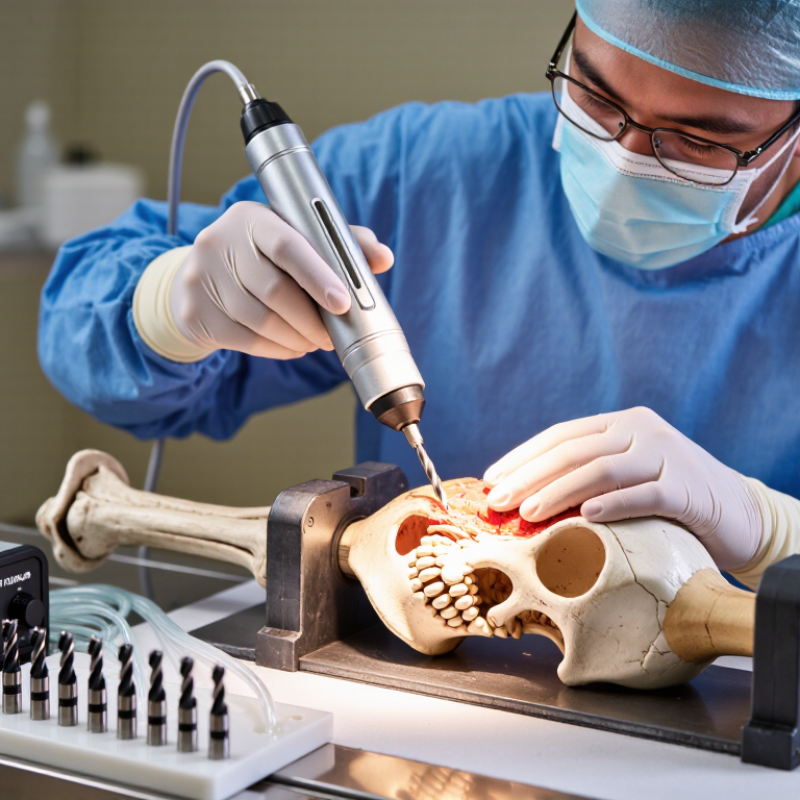
7 Tips for Stable Torque in Orthopedic Bone Drills

Understanding Torque Stability in Orthopedic Bone Drills

Torque stability means the drill delivers controlled rotational force as bone density changes. A cortical surface can resist the bit, then release suddenly when the bit enters softer cancellous bone. That shift can cause a brief torque spike, bit chatter, or loss of control. Small changes matter.

A stable system depends on more than motor power. Sharp, correctly seated bits reduce unnecessary resistance; a straight approach helps prevent side loading. Consistent feed pressure also matters. Pushing harder is not a reliable fix. It may increase heat and make the surgeon’s tactile feedback less predictable. In practice, inspect the bit, secure the chuck, and check the drill under load—not only while it spins freely.

Torque control also matters because friction generates heat. Eriksson and Albrektsson’s rabbit-bone study found that exposure to 47°C for one minute could impair bone regeneration (Journal of Bone and Joint Surgery, 1983). This is not a universal clinical cutoff, but it shows why controlled drilling deserves attention. Pause when resistance rises unexpectedly. Clear bone debris. Reassess alignment. No single torque setting suits every bone, bit, or procedure; that is an inconvenient limitation, but an important one.

Factors That Cause Torque Variation During Bone Drilling

7 Tips for Stable Torque in Orthopedic Bone Drills
Factors That Cause Torque Variation During Bone Drilling

Torque can change sharply as a drill moves through bone. Dense outer cortex may resist the bit, while softer cancellous bone offers less resistance. The transition can happen within a few millimeters. Feel the difference. A steady hand cannot make bone uniform.

Bit condition matters, too. A worn or clogged cutting edge may require more force and generate extra heat. Feed pressure, drill speed, and alignment also affect resistance; pushing harder can increase torque rather than improve control. Even a slight angle change may cause the bit to bind. Irrigation and bone debris can alter cutting conditions, while battery state and instrument condition may influence performance. It is easy to blame the drill. That is not always fair.

In practice, note when resistance changes: at cortical entry, during advancement, or near the far cortex. Check that the bit is clean and intact, and use the instrument according to its instructions. Keep the drill aligned, avoid forcing it, and respond to unexpected resistance by reassessing the situation. These observations are useful, but they do not replace training, clinical judgment, or the device’s validated settings.

7 Tips for Stable Torque in Orthopedic Bone Drills - Factors That Cause Torque Variation During Bone Drilling

Factor How It Can Affect Torque Practical Tip for Greater Stability What to Check
Bone density and structure Dense cortical bone generally requires more cutting effort than cancellous bone. Changes in bone structure along the drilling path can cause torque to rise or fall. Use a controlled, steady feed and follow the procedure-specific drilling technique. Avoid forcing the drill when resistance increases. Note changes in resistance and follow the applicable surgical protocol for the target bone and drilling depth.
Axial feed force Excessive or inconsistent pressure can increase cutting load and cause torque fluctuations. Too little pressure may also prolong cutting and contribute to heat buildup. Apply consistent, controlled pressure rather than pushing abruptly. Let the cutting edges remove material without forcing the instrument. Look for sudden changes in hand pressure, drill sound, or cutting progress.
Drill-bit sharpness and condition Worn, damaged, or dull cutting edges may require more force and can increase friction, making torque less predictable. Inspect the bit before use and replace or reprocess it according to its instructions for use and the facility’s protocol. Check cutting edges, visible damage, cleanliness, and secure attachment to the handpiece.
Bit diameter and cutting geometry Drill diameter, flute design, and cutting-edge geometry influence the amount of material engaged and the resistance encountered. Use the specified bit and sequence for the procedure. Avoid substituting a different size or geometry without clinical justification. Confirm the bit size, type, and intended position in the drilling sequence.
Rotational speed and operating mode Changes in speed or control mode can alter cutting behavior and the load placed on the drill. The appropriate settings depend on the instrument and procedure. Use settings recommended by the device instructions and the applicable surgical protocol; avoid unnecessary changes during drilling. Verify the selected mode, speed setting, and handpiece function before use.
Drill alignment and stability Off-axis drilling or movement can increase side loading and friction, which may make torque uneven and affect the planned hole path. Maintain the intended trajectory and stabilize the instrument. Reposition deliberately if alignment needs correction. Check the drill trajectory, bit runout, and stability of the handpiece and bit connection.
Debris removal and irrigation Accumulated bone debris can obstruct the flutes and increase friction. Inadequate cooling can contribute to heat generation during drilling. Use irrigation and debris-management practices appropriate to the procedure and device instructions. Keep flutes clear as required by the protocol. Check for blocked flutes, debris buildup, and adequate irrigation at the drilling site.

Preparing the Drill, Battery, and Attachments for Consistent Output

7 Tips for Stable Torque in Orthopedic Bone Drills

Preparing the Drill, Battery, and Attachments for Consistent Output

Before use, inspect the drill housing, chuck, and battery contacts for cracks, debris, or corrosion. Seat the battery fully and confirm its charge according to the device instructions. A full charge helps, but it does not prove the battery can deliver consistent power under load. Check battery age and storage conditions, too.

Small checks matter.

Run the drill using the approved test method, and compare its operation with the specified settings. If output feels uneven, stop and investigate rather than compensating with extra pressure. Fit a clean, compatible attachment and bit; confirm the bit sits straight and locks securely. Worn cutting edges can increase resistance, so replace them when inspection or performance indicates wear.

Use the recommended speed and irrigation, and avoid prolonged drilling in one spot.

Eriksson and Albrektsson’s 1983 experimental study reported bone injury after exposure to 47°C for one minute. That finding is a reminder that heat depends on several factors, including drill pressure, cutting condition, speed, and irrigation—not torque alone.

Honestly, routine checks can feel repetitive, but skipping them makes inconsistent output harder to diagnose.

Applying Steady Pressure and Controlled Drilling Technique

Stable torque begins with a relaxed, balanced grip and a clear view of the entry point. Keep the drill aligned with the planned trajectory; leaning sideways can cause binding and uneven torque. Apply gentle, consistent pressure instead of pushing harder when progress slows. Let the cutting edges work. Small adjustments matter. Watch the handpiece, bit, and bone response together, not just the trigger. A sudden change in sound, vibration, or resistance is a reason to pause and reassess.

Use the drill according to its instructions for use and the applicable surgical protocol. Check that the bit is suitable, secure, and undamaged. Follow the prescribed speed and cooling or irrigation method; excess heat can harm bone. Keep the instrument steady during entry and withdrawal, and avoid abrupt starts or side loading. If the bit stalls, do not force it. Stop and assess alignment, possible obstruction, and equipment condition within your training. Steady pressure can feel almost too light at first. It is easy to mistake force for control, but rushing may reduce both. Bone density varies, so tactile feedback needs to be interpreted in context, not treated as a fixed rule.

Maintaining the Drill and Checking Torque Performance

Stable torque depends on a clean, intact drill and a correctly seated bit. Before use, inspect the chuck, shaft, and bit for wear, corrosion, or visible bending. Remove debris according to the device’s validated cleaning instructions; residue can interfere with seating. Check the battery or power connection, too. Small faults matter.

Measure performance with a calibrated torque tester and a repeatable setup, then compare readings with the drill’s validated service limits. There is no universal torque target for every drill and procedure. Record results over time; a gradual change may reveal wear before failure. A torque reading alone can mislead. Also check speed, vibration, and bit runout. Eriksson and Albrektsson’s 1983 rabbit-bone study reported injury after bone was held at 47°C for one minute. That finding concerns heat, not a torque limit, but it underscores why rising friction deserves attention. If readings fluctuate, stop and investigate rather than adjusting by guesswork. Even a careful check can miss an intermittent fault.

FAQS

What does torque stability mean in bone drilling?

It means the drill delivers controlled rotational force as bone density changes. Cortical bone may resist, then give way in softer bone.

What can happen when the bit enters softer bone?

Torque may briefly spike, and the bit may chatter or lose control. Small changes matter.

How can I help keep drilling steady?

Use a relaxed grip, keep the drill aligned, and apply gentle, consistent pressure. Let the cutting edges work.

Should I push harder if drilling slows?

No. Extra pressure can increase heat and make tactile feedback less predictable. Force is not control.

What should I check before drilling?

Inspect the bit for damage, confirm it is suitable, and secure the chuck. Check the drill under load, too.

Which signs mean I should pause?

Pause if resistance, sound, or vibration changes suddenly. Reassess alignment, debris, and equipment condition within your training.

Why does controlled drilling matter for bone temperature?

Friction creates heat. One rabbit-bone study found impaired regeneration after exposure to 47°C for one minute, but this is not a universal clinical cutoff.

Is there one torque setting for every procedure?

No. Bone density, bit choice, and procedure all matter. That limitation is easy to overlook. Follow the instrument instructions and applicable protocol.

Conclusion

Understanding Torque Fluctuation in Orthopedic Bone Drills: Why Torque Stability Matters is central to achieving controlled, predictable drilling. Torque can vary with bone density, drill speed, bit condition, battery charge, attachment fit, and the pressure applied by the operator. Before use, check that the drill and attachments are secure, the battery is adequately charged, and the selected settings suit the task. Inspect the bit for wear or damage, since a dull or improperly seated bit can make output less consistent.

During drilling, use a steady grip and controlled, even pressure rather than forcing the drill. Allow the tool to work at a consistent pace, and adjust technique when resistance changes. Regular cleaning, inspection, and servicing help preserve performance over time. Checking torque output according to the equipment’s maintenance guidance can also reveal changes early. Together, careful preparation, disciplined technique, and routine upkeep support stable torque and more reliable drilling.


Mason

Mason

Mason is a seasoned marketing professional with a deep expertise in the company's offerings and a passion for driving brand awareness. With a strong background in digital marketing strategies, he has an innate ability to connect with diverse audiences and effectively communicate product benefits.......