Importing orthopedic surgical instruments requires more than checking a supplier’s product catalog. A stainless-steel bone saw, retractor, or drill guide must arrive with traceable records, accurate labeling, and evidence supporting its intended use. Small gaps can delay customs clearance, hospital acceptance, or product release.
This guide introduces the FDA and CE Compliance Checklist for Importing Orthopedic Surgical Instruments. It examines ten practical checkpoints, including FDA establishment registration, device listing, applicable clearance pathways, CE marking, EU representative details, classification, technical documentation, and quality management evidence. It also considers labeling, instructions for use, UDI requirements, sterilization claims, packaging integrity, and post-market responsibilities. These checks should be matched to the specific device, risk class, destination, and importer role. A reusable instrument and a sterile single-use implant accessory may follow very different compliance routes.
In practice, experienced import teams compare certificates against the exact model number, manufacturer name, and manufacturing site. They inspect lot codes on cartons, review declaration dates, and confirm that symbols remain legible after transport. A certificate alone is not enough. Its scope matters.
No checklist is flawless. Regulatory interpretations change, documents can contain translation errors, and suppliers may provide outdated certificates. That is where careful review matters. Importers should verify current requirements with the FDA, relevant European authorities, customs professionals, or qualified regulatory consultants. The goal is not paperwork for its own sake. It is a defensible process that protects surgeons, patients, distributors, and healthcare facilities from avoidable compliance failures.
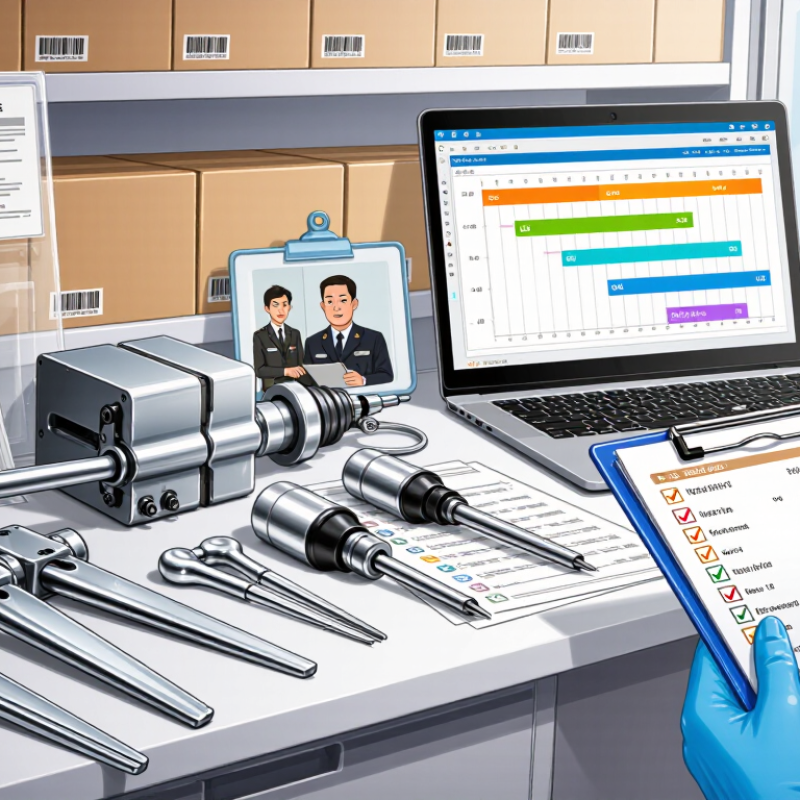
Define the Orthopedic Instrument’s Intended Use and Regulatory Class
Define the Orthopedic Instrument’s Intended Use and Regulatory Class
Intended use drives every import decision. Describe the anatomical site, surgical procedure, user, duration, and contact with tissue. State whether the instrument is reusable, powered, sterile, or patient-specific. A catalog phrase like “for orthopedic surgery” is too vague. It can trigger avoidable questions from regulators.
In the United States, FDA classification depends on intended use, risk, and comparable devices. Check the FDA Product Classification Database before selecting a 510(k), exemption, or another pathway. In Europe, MDR 2017/745 Annex VIII applies risk rules differently. A reusable surgical instrument may fall under Class I, while an invasive instrument can reach Class IIa or higher. The distinction is easy to miss. OECD’s Health at a Glance 2023 reported wide variation in hip and knee replacement rates, from fewer than 50 to more than 300 procedures per 100,000 people. That demand does not prove regulatory equivalence. It only shows why precise product positioning matters. A 2024 orthopedic device market report estimated sustained global growth, but market forecasts cannot replace classification evidence. Review drawings, material specifications, cleaning instructions, and intended-use wording together. One practical weakness remains common: teams often finalize labels before confirming the regulatory class. That order can create mismatched claims and costly revisions. Use documented clinical input, not assumptions.
Verify FDA Registration, Listing, and Importer Responsibilities
Orthopedic instrument imports require more than a certificate in a folder. FDA registration and device listing must match the actual manufacturer, facility address, device name, and product classification. Registration is not FDA approval. Confirm whether the instrument needs a 510(k), De Novo request, or another authorization before shipment. Foreign manufacturers also need a valid U.S. agent, while the importer should retain invoices, labeling, and compliance records.
Tips: Ask for current FDA registration and listing details, then compare them with the packaging and commercial invoice. Check the CE mark, EU Declaration of Conformity, applicable standards, and the notified body number when required. Verify the importer’s name and contact details on product documents. Small mismatches matter. A missing model number can delay customs clearance or weaken traceability.
The importer should inspect shipment records, storage conditions, and complaint procedures. For reusable instruments, review cleaning, sterilization, and intended-use instructions carefully. CE marking supports European market conformity, but it does not replace importer duties under the applicable EU rules. A spreadsheet helps, though it can create false confidence if nobody checks the source documents. I have seen teams verify certificates but overlook labeling changes. That gap deserves attention.
Confirm CE Marking, EU Classification, and Conformity Assessment
Top 10 FDA and CE Checks for Orthopedic Instrument Imports
Confirm CE marking before reviewing shipping documents. The mark must match the device’s intended purpose and legal manufacturer. Check the declaration of conformity, certificate, notified body details, and applicable European regulations. A logo alone proves very little. The EU classification depends on risk, invasiveness, duration of use, and whether the instrument is reusable. A reusable surgical instrument may follow a different route from an implant or powered device.
Request technical documentation in a controlled file. It should cover risk management, clinical evaluation, usability, materials, labeling, and post-market procedures. Inspect the instrument’s packaging and instructions carefully. Look for consistent model numbers, sterilization limits, symbols, and language requirements. Small mismatches can delay customs clearance. They can also create patient-safety concerns. Do not assume every orthopedic instrument needs the same conformity assessment. That assumption is common, and often wrong.
For FDA entry, confirm the product’s classification, registration, device listing, and applicable premarket pathway. A 510(k) may be relevant, but not for every device. Verify whether the importer, manufacturer, and labeling responsibilities are clearly assigned. Keep invoices, product codes, declarations, and inspection records together. In practice, a spreadsheet may look complete while one expired certificate remains unnoticed. Recheck dates. Review the intended use again. That step feels repetitive, but it catches avoidable errors.
Top 10 FDA and CE Checks for Orthopedic Instrument Imports
Regulatory checkpoints mapped to the number of frameworks directly involved: FDA, EU MDR, or both. Applicability depends on the instrument’s intended purpose, classification, and market route.
The checklist covers intended use, classification, quality management, risk management, technical documentation, premarket authorization, CE marking, UDI, registration, and importer obligations. The framework count reflects whether each checkpoint is directly relevant to FDA requirements, EU MDR requirements, or both. Key references include EU MDR 2017/745 Articles 10, 20, 27 and 52, plus FDA 21 CFR Parts 807, 820, 801 and 830.
Review Technical Files, Labeling, and Instructions for Use
Top 10 FDA and CE Checks for Orthopedic Instrument Imports
Import review should begin with the technical file, not the shipping carton. Confirm the product name, intended use, instrument configuration, and risk classification match every document. For FDA entry, verify the applicable registration, listing, submission, and establishment records. CE compliance requires evidence under the relevant European framework. A CE mark alone is not FDA clearance.
Inspect the risk analysis, design drawings, material specifications, and performance test reports. For patient-contacting instruments, check biocompatibility evidence and material declarations. Reusable devices need validated cleaning, disinfection, and sterilization instructions. Review packaging tests, shelf-life data, and protection against corrosion. Small mismatches matter. One outdated drawing can undermine an otherwise strong file.
Labeling should identify the device, model, lot or serial number, manufacturer, importer, and relevant symbols. Confirm that warnings, contraindications, storage conditions, and sterilization status are visible and consistent. The Instructions for Use should explain assembly, surgical handling, cleaning, inspection, maintenance, and disposal. Translations must preserve technical meaning, not just familiar words. Compare the IFU with the physical instrument and packaging during receiving inspection. Teams sometimes approve a document set without checking the actual tray. That is a practical weakness. A checklist helps, but it can create false confidence. Review revision history, approval signatures, and change-control records before release.
Check Import Documents, Quality Systems, and Post-Market Duties
Orthopedic instrument imports require more than a shipping invoice. FDA entry files should match the device classification, establishment registration, listing status, labeling, and any required clearance or approval. Registration is not approval. In the European Union, confirm the CE certificate, declaration of conformity, device classification, technical documentation, and authorized representative details. The 2023 ISO Survey reported more than 26,000 ISO 13485 certificates worldwide, but a certificate alone does not prove product conformity. Check its scope, expiry date, and audited manufacturing site.
Quality systems deserve close attention. Review supplier controls, sterilization records, batch traceability, nonconformance handling, and change-control procedures. FDA’s 2023 medical device reporting data recorded more than two million submitted reports, showing why complaint systems cannot be treated as paperwork. Importers should define who investigates complaints, who submits vigilance reports, and who manages field actions. Post-market duties continue after customs clearance. They include trend monitoring, serious incident assessment, customer feedback, and periodic risk review. A weak handover can break traceability.
Tips: Request a document index before shipment. Match each lot number with inspection and sterilization evidence. Verify translations carefully. Small label errors can delay release. Keep records accessible for audits. I have found that teams often overtrust polished certificates; that assumption deserves review. A complete file is useful, but current evidence matters more.
FAQS
It should identify the body site, procedure, user, tissue contact, and use duration. “For orthopedic surgery” is too vague. Details matter.
State whether the instrument is reusable, powered, sterile, invasive, or patient-specific. These details can change the required regulatory pathway.
No. High replacement rates show demand, not regulatory equivalence. Classification still requires documented evidence and precise product positioning.
Check manufacturer details, facility address, device name, model number, classification, and listing records. Compare them with the packaging and invoice.
No. Registration confirms an establishment or product record. It does not prove authorization for every intended use.
Foreign manufacturers need an authorized local representative where required. Importers should retain invoices, labels, complaints, and compliance records.
Review drawings, material specifications, risk analysis, performance tests, and material declarations. One outdated drawing can weaken the entire file.
Instructions should explain cleaning, disinfection, sterilization, inspection, maintenance, and disposal. Test the instructions against the actual tray.
Confirm the device name, model, lot or serial number, manufacturer, importer, warnings, storage conditions, and sterilization status.
No. A checklist helps, but it can create false confidence. Review source documents, revision history, signatures, and change records manually. Mistakes still happen.
Conclusion
Importing orthopedic surgical instruments requires a structured review of regulatory, technical, and operational requirements in both the United States and European Union. This FDA and CE Compliance Checklist for Importing Orthopedic Surgical Instruments begins by defining the product’s intended use, risk profile, and regulatory classification. Importers should verify applicable FDA registration, device listing, importer responsibilities, and entry documentation, while also confirming CE marking, EU classification, and the appropriate conformity assessment route.
The review should continue with an examination of technical documentation, product labels, packaging, and instructions for use to ensure that information is accurate, consistent, and suitable for the intended market. Importers should also confirm commercial invoices, shipping records, quality management arrangements, supplier controls, and traceability procedures. Finally, they should understand post-market responsibilities, including complaint handling, incident reporting, corrective actions, and record retention. A complete review helps identify compliance gaps before shipment and supports safer, more efficient distribution of orthopedic instruments.

