What Is a Longer Lasting Brushless or Carbon Motor?

Time:2026-10-26 Author:Charlotte
0%

What Is a Longer Lasting Brushless or Carbon Motor? This question matters in orthopedic power systems, where a handpiece may face bone dust, vibration, repeated sterilization, and demanding surgical schedules. The exact answer depends on design, workload, maintenance, and operating conditions.

The central comparison is Brushless Motor vs. Carbon Motor in Orthopedic Power Systems: Which Lasts Longer? Brushless motors usually offer longer service life because they eliminate carbon brushes and mechanical commutators. There is less friction inside the motor. There are also fewer wear particles. Dr. Steven M. Kurtz, an orthopedic technology researcher, has stated, “Durability is measured by the entire system, not by one component.” That principle deserves attention. A brushless motor can still fail when bearings, seals, electronics, or sterilization barriers are poorly designed.

Carbon motors remain practical. Their brushes are inexpensive and replaceable. A technician can often identify wear through reduced speed, sparking, or unusual odor. Yet brush erosion can gradually reduce performance. Fine carbon dust may also complicate maintenance. In a busy operating room, small losses become visible. The drill may sound rough. Battery life may appear shorter. Cutting can feel less consistent.

Brushless systems generally lead in long-term durability and energy efficiency. Carbon systems may offer simpler servicing and lower initial costs. This is not an absolute rule. Some brushless controllers are difficult to repair. Some carbon motors survive for years under careful inspection.

The better choice requires evidence. Review duty cycles, autoclave exposure, torque demands, repair records, and manufacturer testing. Do not rely on motor type alone. Real-world longevity is sometimes less elegant than the brochure suggests.
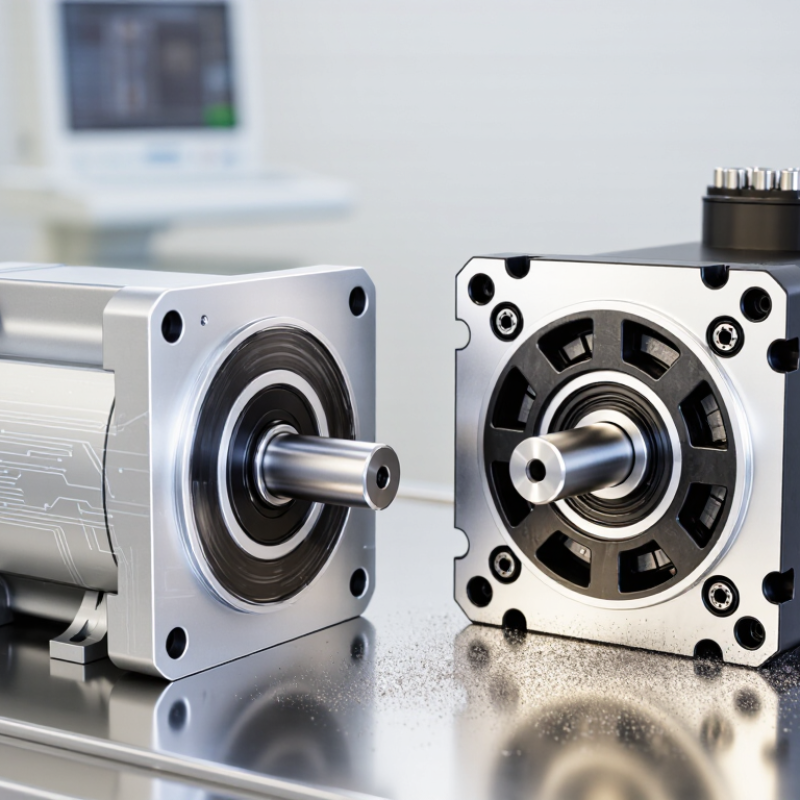
What Is a Longer Lasting Brushless or Carbon Motor?

How Brushless and Carbon Motors Work

A motor’s lifespan begins with how it moves electricity. In a carbon motor, carbon brushes press against a spinning commutator. This contact transfers current to the rotor coils and keeps torque moving.

That contact also creates friction, heat, and fine black dust. Under heavy loads, the brushes may spark slightly and wear faster. I have seen worn brushes leave uneven marks on a commutator, causing weak starts and a rough electrical smell. Replacing the brushes can restore performance, but the commutator may also need cleaning. Small details matter.

A brushless motor works differently. Permanent magnets usually sit on the rotor, while stationary coils surround it. An electronic controller switches the coils in sequence, creating a rotating magnetic field. No physical brush touches the rotor. This reduces mechanical wear and often improves efficiency, especially during long operating periods. It is not maintenance-free. Bearings can dry out, magnets can weaken from excessive heat, and the controller can fail suddenly. That failure may require specialized testing rather than a simple part replacement.

In practical use, brushless designs often last longer when cooling is good and loads remain reasonable. Carbon motors can still be dependable, affordable, and easier to repair. My initial assumption was that brushless always wins, but operating conditions change the answer. Dust, vibration, duty cycle, and service access deserve equal attention.

Key Differences in Design, Performance, and Maintenance

A brushless motor usually lasts longer because its design removes physical brushes and a commutator. These parts normally create friction, heat, and electrical wear. Brushless motors use electronic switching instead. Their rotating assembly runs more smoothly, especially during frequent starts and stops.

Carbon motors remain useful because they are simpler and often easier to repair. Their brushes gradually shorten, and dusty residue can collect around the commutator. Performance may drop before complete failure.

Brushless motors often deliver steadier speed, better efficiency, and longer operating time per charge. However, their controller can be sensitive to moisture, overload, and poor ventilation. Bearings can also fail. Brushless is not invincible.

Tips: Keep air vents clear, avoid continuous overload, and inspect unusual noise early. For carbon motors, check brush length and replace worn brushes before sparking increases. For brushless models, inspect connectors and cooling paths. Use the correct lubricant only where the service guide allows it.

In practical maintenance work, heat is often the real enemy. A motor running cool usually ages more slowly, regardless of its type. I once assumed brushless always meant lower maintenance, but that view was incomplete. Electronic faults may require specialized testing, while carbon brushes can be replaced with basic tools.

Choose brushless for demanding, repeated use. Choose carbon when simple servicing matters most.

Factors That Determine Motor Lifespan

A brushless motor often lasts longer than a carbon-brush motor because it has no brushes rubbing against a commutator. That reduces friction, sparking, and a common wear point. However, motor lifespan depends on more than its design. A well-used brushed motor may outlast a poorly operated brushless motor.

Heat is one of the strongest lifespan factors. Continuous heavy loads raise winding temperature and weaken insulation over time. Blocked ventilation makes the problem worse. Short cooling pauses can help. So can using the correct voltage and avoiding repeated stalls. I have seen small motors fail early after running under excessive load, even when their housings looked undamaged.

Bearings also matter. A dry or contaminated bearing increases resistance and forces the motor to work harder. Dust, moisture, vibration, and poor storage can accelerate damage. In brushed motors, carbon brushes gradually shorten and may need replacement. Their condition affects contact quality and commutator wear. Brushless motors avoid that service, but their electronic controller can still fail from heat or voltage spikes. This is where simple assumptions become unreliable. Longer rated life does not guarantee longer real-world service. Operating habits usually decide the result.

Comparing Durability Under Different Operating Conditions

What Is a Longer Lasting Brushless or Carbon Motor?

Comparing Durability Under Different Operating Conditions

A brushless motor usually lasts longer during frequent, demanding operation. It has no carbon brushes rubbing against a commutator. This removes a major wear point and reduces internal dust. In workshop use, that difference becomes visible after many hours of cycling. Bearings still wear, however. Heat can also damage electronic controls if ventilation is poor.

Carbon motors can perform reliably in simpler environments. Their mechanical design is often easier to inspect and repair. Under short, intermittent workloads, brush wear may remain modest for years. Dusty conditions are more complicated. Carbon brushes create particles, while outside dust can enter through openings. Moisture, heavy loads, and repeated starts accelerate wear in both motor types.

Temperature changes the comparison. A brushless motor may handle sustained loads efficiently, but its controller needs protection from heat and water. A carbon motor may survive a brief overload, yet excessive current can burn its brushes or commutator. I have seen maintenance records where neglected bearings failed before the brushes did. That finding is easy to overlook.

The better choice depends on operating habits. Continuous duty, high speed, and limited maintenance favor brushless designs. Occasional use and straightforward servicing may favor carbon motors. Neither option is automatically tougher. Even this comparison has limits, because sealing quality and load control vary between machines. A clean filter, correct lubrication, and regular inspection often matter more than expected.

Choosing the Longer-Lasting Motor for Your Application

What Is a Longer Lasting Brushless or Carbon Motor?

Choosing a longer-lasting motor starts with the application, not the product label. Brushless motors usually last longer because they have no carbon brushes rubbing against a commutator. This removes a common wear point and reduces dust inside the housing. They also run cooler during extended operation when properly matched to the load. That matters in pumps, fans, tools, and equipment used for several hours daily. However, brushless systems need electronic controls, and poor control settings can create heat quickly. That rule is useful, but not perfect.

Carbon-brush motors can remain dependable in light-duty or intermittent applications. Their design is often simpler, easier to inspect, and less expensive to repair. A technician can measure brush wear, check the commutator, and replace worn parts. In a workshop, that serviceability may outweigh a shorter theoretical lifespan. Carbon motors also provide strong starting torque in many practical designs. They are not automatically the wrong choice.

Check the duty cycle, operating temperature, dust exposure, vibration, and average load. A motor running near its limit may fail early, regardless of its type. Keep bearings aligned and avoid blocking ventilation openings. For frequent, continuous operation, brushless technology is usually the safer long-term choice. For occasional use, a well-maintained carbon motor may be entirely adequate. I have seen users choose brushless motors without reviewing the controller or cooling space. That mistake can erase the expected durability advantage. Cost, service access, and replacement skills deserve equal attention.

FAQS

How does a carbon-brush motor transfer electricity?

Carbon brushes press against a spinning commutator. This contact sends current to the rotor coils. It also creates friction, heat, and black dust.

How does a brushless motor create rotation?

Permanent magnets usually sit on the rotor. Stationary coils surround it. An electronic controller switches the coils in sequence. This creates a rotating magnetic field without physical brush contact.

Which motor type usually lasts longer?

Brushless motors often last longer because they avoid brush and commutator wear. However, real lifespan depends on heat, load, dust, and maintenance. Brushless does not always win.

What commonly damages a motor early?

Continuous overload raises winding temperature. Blocked vents trap heat inside the housing. Repeated stalls can weaken insulation and other internal parts. Short cooling pauses help.

What maintenance does a carbon-brush motor need?

Check brush length when performance becomes weak or uneven. Replace brushes before heavy sparking begins. Inspect the commutator for dark marks or rough surfaces. Small details matter.

What maintenance does a brushless motor need?

Keep cooling paths and air vents clear. Inspect connectors for looseness or moisture. Listen for unusual bearing noise. Its controller may need specialized testing after sudden failure.

Are brushless motors completely maintenance-free?

No. Bearings can dry out or become contaminated. Magnets may weaken under excessive heat. Electronic controllers can fail from overload or voltage spikes.

Which motor is easier to repair?

Carbon-brush motors are often simpler to service. A basic repair may involve replacing brushes and cleaning the commutator. Brushless faults can require electronic testing. I once underestimated that difference.

How do operating conditions affect motor lifespan?

Dust, vibration, moisture, and poor storage can accelerate damage. Reasonable loads and good ventilation usually support longer service. A well-used carbon motor may outlast a poorly operated brushless motor. The label alone cannot decide.

Conclusion

Brushless motors and carbon motors differ in how they generate rotation, control friction, and manage wear. Brushless designs use electronic commutation, eliminating brushes and reducing contact-related damage, heat, and maintenance. Carbon motors rely on carbon brushes to transfer electrical current, making them mechanically simpler but more vulnerable to brush wear, dust, sparking, and performance changes over time. The key comparison involves efficiency, heat management, service requirements, operating speed, and resistance to demanding conditions.

Brushless Motor vs. Carbon Motor in Orthopedic Power Systems: Which Lasts Longer? In general, a brushless motor may provide a longer service life when properly controlled and cooled, especially in applications requiring frequent operation, high precision, and consistent output. However, lifespan also depends on load, duty cycle, vibration, cleaning conditions, storage, and maintenance quality. Carbon motors can remain practical where easy servicing, lower initial cost, or intermittent use is more important. The best choice should therefore match the motor’s design strengths with the application’s workload and operating environment.


Charlotte

Charlotte

Charlotte is a seasoned marketing professional with a deep understanding of the company's portfolio and a passion for elevating its presence in the market. With a keen eye for detail and a commitment to excellence, she ensures that our professional blog is regularly updated with insightful articles......