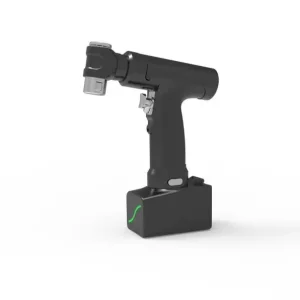
Engineered for surgical precision and guaranteed compatibility with rigid medical disinfection sterilization containers.






A rigorous examination of steam dynamics, passivation metallurgy, and microbial barrier mechanisms in surgical containment boxes.
Modern surgical suites operate at a relentless tempo. Orthopedic power tools—cannulated drills, oscillating saws, high-speed cranial adapters—experience significant mechanical wear and heavy biologic contamination during arthroplasty, trauma fixation, and spinal decompressions. The disinfection box is not a mere passive aluminum container; it represents a dynamically engineered class II medical accessory responsible for maintaining sterility maintenance assurance level (SAL 10⁻⁶).
Manufactured using hard-anodized aeronautical grade aluminum alloy (such as 6061-T6 and 5052-H32), disinfection boxes manufactured by certified factories integrate advanced micro-porous PTFE or reusable ceramic barrier filters. These venting apertures allow complete saturated steam penetration during pre-vacuum pulsating autoclave cycles while halting spore penetration throughout post-sterilization storage.
High-torque brushless handpieces are vulnerable to shock damage if held rigidly during transport. We design customized surgical-grade medical silicone (LSR) brackets and nest structures inside the disinfection box:
From passive metal boxes to intelligent, RFID-tracked, traceable infection prevention ecosystems.
Integration of passive UHF RFID transponders and biocompatible Datamatrix laser engraving directly into disinfection container frames. Enables real-time lifecycle tracking across hospital Central Sterile Supply Departments (CSSD), logging exact cycle numbers, peak temperatures, and technician validation IDs.
Next-generation disinfection boxes transition toward carbon fiber-reinforced PEEK composite lids. This slashes tare weight by 38% compared to solid steel containers, optimizes thermodynamic ramp rates during autoclaving, and eliminates ergonomic strain among perioperative processing personnel.
Application of advanced nanotechnology surface seals, featuring super-hydrophobic ceramic coatings (silica nano-sol). This surface architecture prevents mineral scale buildup from harsh wash water, resists alkaline detergent degradation (pH 10.5–12), and dramatically accelerates vacuum dry cycle performance.
Combining automated precision machining with multi-tiered international medical compliance.
Our intelligent smart hub operates synchronized 5-axis DMG MORI CNC milling machines and multi-station hydraulic deep-drawing presses. Tolerances for lid-to-body gaskets are maintained within ±0.02 mm, ensuring airtight and microbial-tight silicone seal compression.
All finished disinfection boxes undergo automated multi-stage ultrasonic cleaning and electrochemical micro-arc oxidation (MAO) inside an ISO 14644-1 Class 7 clean workshop, achieving an ultra-durable 45–55µm ceramic anodized oxide layer resistant to aggressive biocides.
With an annual capacity exceeding 38,000 surgical power sets and dedicated disinfection suites, our modular tooling systems allow orthopedic device brands to customize insert layouts, logo branding, and tray ergonomics with sample turnaround in just 21 business days.
Navigating global healthcare compliance barriers with audited E-E-A-T credentials and technical dossiers.
Procurement directors and hospital value-analysis committees require comprehensive audit trails. SNK power systems and disinfection accessories are supported by rigorous regulatory technical files:
We eliminate supply chain vulnerability for global medical distributors through strategic local logistics hubs:
Clear, engineering-backed answers addressing disinfection compatibility, longevity, and regulatory compliance.
Our sterilization containers are fabricated from aerospace-grade aluminum alloy 6061-T6 and 5052-H32, treated with electrochemical hard-anodization (Type III). Internal nesting brackets are molded from medical-grade liquid silicone rubber (LSR), and latches are machined from 316L stainless steel for corrosion resistance.
Yes. The entire assembly, including the hard-anodized box body, lid, silicone brackets, and perforated filter brackets, is fully validated for enzymatic and neutral detergents used in automated washer-disinfectors per ISO 15883 parameters.
Our boxes are primarily designed and validated for high-temperature fractional vacuum steam autoclaving (132°C–134°C). They are also compatible with Ethylene Oxide (EO) gas sterilization and low-temperature hydrogen peroxide vapor (plasma) sterilization cycles.
We provide full turnkey OEM/ODM engineering. Provide us with your handpiece, drill chuck, and saw blade dimensions or 3D STEP files, and our engineers produce rapid prototype silicone positioning layouts and CNC tooling within 3 weeks.
Engineered to withstand over 200 high-temperature sterilization cycles inside SNK containment boxes.