

High-torque medical systems calibrated for controlled resection, minimal bone necrosis, and rapid autoclave survivability.







The worldwide surgical devices sector is experiencing an unprecedented technical transformation, where motor dynamics, thermal safety thresholds, and sterilizer survival standards converge.
Traditional mechanical commutators with carbon contact points have historically suffered from thermal spike tendencies and abrasive dust shedding inside surgical operating theaters. Modern high-efficiency brushless DC motors employ contactless electromagnetic hall sensors, driving operating efficiencies over 88% while keeping handpiece surface temperatures strictly under 41°C during continuous heavy resection.
Hospital procurement teams continually grapple with moisture-induced transmission failure after high-temperature steam autoclaving. Advanced hermetic sealing incorporating fluorosilicone O-rings and laser micro-welding preserves IPX8-grade ingress protection. Gearbox shafts maintain runout deviations below 0.03 mm even after 200 consecutive 134°C sterilization cycles.
Surgeon fatigue during prolonged orthopedic procedures like revision joint arthroplasty or sternotomy directly correlates with cutting accuracy. Modern architectures leverage aerospace-grade titanium-aluminum alloys, transferring the physical center of gravity into the mid-palm axis, effectively mitigating hand tremors and stabilizing stroke trajectories across multi-angle osteotomies.
Medical device tenders, national health authorities, and private hospital networks prioritize supply reliability, transparent clinical files, and total lifecycle costs.
Hospital groups require high device interchangeability and rapid loaner fleet replenishment to sustain intensive trauma room throughput. Our modular quick-coupling attachments allow a single brushless power unit to swap instantly between reciprocating, oscillating, reaming, and drilling handpieces, optimizing equipment investment budgets.
Distributors often struggle with long regulatory registration cycles and erratic spare part availability. We provide turn-key regulatory technical documentation (CE-MDR technical files, ISO 13485 audit dossiers, bio-compatibility reports) and regional buffer inventories ensuring steady fulfillment in public tenders.
Global surgical instrument brands demand tailored torque ramps, branded industrial design, and integration with proprietary surgical navigation arrays. With automated CNC machining centers and DIN 13972 testing facilities, we convert bespoke design briefs into verified production lines in roughly three weeks.
Detailed comparison of carbon brushed versus advanced brushless reciprocating drive architectures evaluated across critical surgical parameters.
| Evaluation Parameter | Brushless Drive (SNK Flagship S-Series) | Conventional Carbon Motor (Standard) | Clinical Performance Impact |
|---|---|---|---|
| Operating Frequency | 0 – 14,000 cpm (Continuously Variable) | 0 – 11,500 cpm (Step Variable) | Higher oscillation yields cleaner osteotomy margins with less micro-fracturing. |
| Thermal Rise (ASTM F2180) | < 2.0°C over 10 min continuous resection | > 6.5°C over 10 min continuous resection | Eliminates risk of bone tissue thermal necrosis and surgeon thermal discomfort. |
| Transmission Error | < 0.03 mm after 200 autoclave cycles | > 0.08 mm after 80 autoclave cycles | Maintains cutting trajectory and prevents saw blade deflection during deep joint cuts. |
| Torque Stability (ISO 6475) | Deviation < ±1.5% under varying bone densities | Deviation > ±4.5% under bone density shifts | Prevents blade stalling when transitioning from cortical to cancellous bone structures. |
| Expected Service Lifespan | 1,500+ Operating Hours (Brush-free) | 350 – 500 Hours (Carbon brush replacement req.) | Reduces scheduled maintenance frequency and lowers lifecycle cost of ownership. |
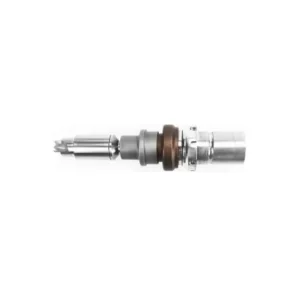
Specialized cranial attachments, low-speed reaming drives, and modular surgical cutting assemblies.





Rigorous alignment with CE-MDR (EU 2017/745), FDA 510(k) predicate baselines, and MDSAP multi-jurisdiction quality systems.
Unlike legacy suppliers continuing under expiring MDD transitional exemptions, SNK systems maintain active MDR certificates backed by notified body surveillance audits, ISO 14971:2019 risk analyses, and detailed clinical evaluation reports (CER) referencing global clinical registries.
Navigating regional health authority submissions in Latin America (ANVISA, COFEPRIS), the Middle East (SFDA), and Asia-Pacific (TGA, NMPA) requires exhaustive testing dossiers. We provide full biometrics, electromagnetic compatibility reports (IEC 60601-1-2), and biocompatibility data (ISO 10993) to accelerate market registration.
Our R&D engineering program is actively pioneering real-time telemetry communication for robotic surgical stations. By incorporating micro-haptic feedback loops and high-bandwidth wireless telemetry, upcoming tool iterations autonomously reduce reciprocating stroke speeds upon sensing structural breakthrough from cortical bone into soft marrow or vascular zones.
Clear, engineering-level answers regarding reciprocating saw mechanics, sterilization protocols, and manufacturing lead times.