ISO 13485:2016 & CE-MDR Cleanroom Engineering

OEM Orthopedic Lithium Battery Disinfection Channel Supplier & Factories

Precision Surgical Asepsis Conduits, Hermetic Transfer Channels & High-Yield Battery Isolation Technology for Class IIb Powered Bone Surgery Platforms

Surgical Power Systems Series I

High-Torque Orthopedic Systems & Adapter Solutions

Engineered for high-throughput sterile fields, total joint replacement, neurosurgical trepanation, and trauma fixation.

CE Certification High-Speed SNK Cranial Mill Adapter for Neurosurgery

CE Certification High-Speed SNK Cranial Mill Adapter for Neurosurgery

Explore Specifications
OEM High-Precision SNK Orthopedic Saw Blades

OEM High-Precision SNK Orthopedic Saw Blades for Trauma & Spine

Explore Specifications
OEM High-Torque Carbon Canulate Drill ND-2011

OEM High-Torque Carbon Canulate Drill ND-2011 Precision Surgical Tool

Explore Specifications
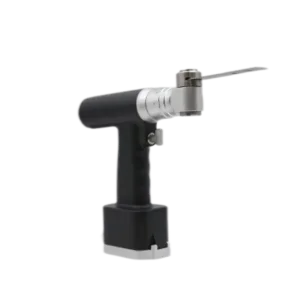
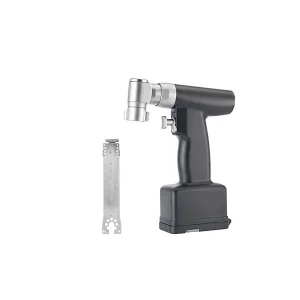
High-Quality Carbon Oscillating Saw NS-1511

High-Quality Carbon Oscillating Saw NS-1511 with Sterile Blade System

Explore Specifications
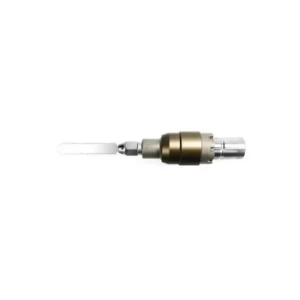
CE Certification SNK Reciprocating Saw Adapter

CE Certification SNK Reciprocating Saw Adapter High-Speed Bone Cutter

Explore Specifications
CE Certification High-Speed Cannulated Bone Drill by SNK

CE Certification High-Speed Cannulated Bone Drill 1600 RPM System

Explore Specifications
High-Quality High-Speed SNK Cranial Mill Adapter

High-Quality High-Speed SNK Cranial Mill Adapter for Skull Flap Surgery

Explore Specifications
ODM SNK Sternum Saw Adapter

ODM SNK Sternum Saw Adapter High-Frequency Brushless Thoracic Tool

Explore Specifications
Executive Clinical Analysis

The Global Biosterility Paradigm in Orthopedic Power Systems

Resolving the thermodynamic friction between volatile lithium chemistry and rigorous hospital infection prevention protocols (AAMI ST79 / ISO 17664).

Thermodynamic Volatility

Medical lithium-ion packs offer unprecedented energy density (up to 240 Wh/kg), delivering uninterrupted high-torque bursts for femur osteotomy and intramedullary reaming. However, cell separators degrade irreversibly above 60°C. Standard autoclave steam sterilization (134°C at 2.1 bar) triggers cathode decomposition, internal short-circuits, and catastrophic thermal runaway.

  • Thermal ceiling restriction: 45°C–55°C max
  • Eliminates high-pressure steam terminal autoclaving
  • Demands hermetic barrier transfer architecture
>134°C Incompatible Autoclave Risk Threshold

SSI Prevention & Nosocomial Control

Surgical site infections (SSIs) in total joint arthroplasty (TJA) carry devastating morbidity and average revision costs surpassing $110,000 per intervention. Contaminated power handpieces, particularly micro-aerosolization emitted from non-sterile battery cavities during oscillating vibration, represent a persistent transmission vector in laminar airflow theaters.

  • Zero tolerance for intra-cavity bioburden escape
  • Hermetic dynamic perimeter gaskets (IPX8/IPX9)
  • Aseptic pass-through without boundary rupture
Log-6 Reduction Sterility Assurance Level (SAL 10⁻⁶)

Disinfection Channel Breakthrough

An OEM Orthopedic Lithium Battery Disinfection Channel is a specialized, multi-stage engineering assembly comprising an autoclavable aseptic insertion conduit, non-conductive mechanical transfer guides, and vaporized chemical biocidal chambers that allow non-sterile or surface-disinfected lithium energy units to be docked into sterile handpiece housings without breaching theater asepsis.

  • Patentable aseptic funnel transfer geometries
  • Fluorosilicone high-temp barrier shielding
  • Sub-second sterile closure latching mechanics
<0.01% Contamination Validated Aseptic Boundary
38,000+
Annual Power Unit Production Capacity
420+
Surgical Center Field Validations Worldwide
194+
Proprietary Mechanical & Electrical Patents
<0.03ppm
Production Adverse Quality Deviation Rate
Engineering Deep Dive

Anatomy of an OEM Lithium Disinfection & Transfer Conduit

Multi-physics design parameters: how precision manufacturing bridges material science, electrical safety, and hospital Central Sterile Supply Department (CSSD) workflows.

Aseptic Barrier Funnel (ABF)

Fabricated from medical-grade polyphenylsulfone (Radel PPSU) or 316L passivation-treated stainless steel. The funnel forms a physical quarantine line between the unsterile circulating nurse and the sterile scrub tech during battery loading.

  • Withstands 1,000+ steam autoclave cycles (134°C)
  • Chamfered guiding grooves prevent micro-friction shaving
  • Anti-static coating mitigates electrostatic discharge (ESD)

Hermetic Seal Housing

Precision dynamic dual-O-ring channels engineered with liquid silicone rubber (LSR) and perfluoroelastomer (FFKM). Prevents saline, blood, and aerosol infiltration into the unsterile internal electrical chamber during joint lavage.

  • Hydrostatic pressure resistance: IPX8 rated at 3m depth
  • Resistance to enzymatic cleaning fluids (pH 6.5–11.0)
  • Instantaneous snap-lock cam lever release mechanism

Gold-Plated Contact Terminals

Constructed with beryllium-copper substrates electroplated with 50 micro-inches of hard gold over nickel underplate. Engineered to transmit 25A surge currents with negligible resistive loss and extreme corrosion resistance against airborne peracetic acid.

  • Contact resistance: <15 milliohms across 5,000 cycles
  • Arc-suppressing physical engagement geometry
  • Self-cleaning wipe contact motion upon insertion

Low-Temp Chemical Channels

Designed for CSSD automation incorporating vaporized hydrogen peroxide (VHP) or low-temperature hydrogen peroxide gas plasma (STERRAD/V-PRO compatible). Ensures terminal sterilization of battery casings at temperatures under 50°C.

  • Zero chemical residue or surface micro-cracking
  • Uniform 360-degree diffusional biocidal vapor flow
  • Full validation according to EN ISO 14937 standards
Clinical Environments

Localized Applications Across Surgical Disciplines

How customized battery disinfection channels optimize operating room turnover times and infection control across tier-1 hospital departments.

High-Caseload Total Joint Arthroplasty

In high-volume hip and knee replacement centers performing 8 to 14 procedures daily per theater, autoclave cycle turnaround of full handpieces creates severe logistical bottlenecks. Utilizing modular aseptic lithium channels allows rapid swapping of battery cores in under 15 seconds, maximizing surgical suite efficiency without purchasing 10+ duplicate handpieces.

  • Fast battery swaps during multi-stage acetabular reaming
  • Zero waiting time for autoclaved handpiece cooling phases
  • Maintains uninterrupted cutting torque on dense sclerotic bone

Emergency Trauma & Polytrauma Resuscitation

Level-1 trauma theaters require immediate operational readiness for pelvic external fixation, damage-control femur shaft nailing, and open fracture stabilization. Disinfection channel battery architectures guarantee instantaneous motor response without waiting for battery sterilization, maintaining surgical readiness around the clock.

  • Rapid deployment in emergency intramedullary nailing
  • Eliminates trailing pneumatic hoses or tripping cords
  • Seamless integration with portable surgical packs

Minimally Invasive Spine (MIS) & Neurosurgery

Pedicle cannulation, transforaminal lumbar interbody fusion (MIS-TLIF), and delicate cranial decompressive craniotomies demand micro-vibration dampening and pinpoint balance. Lightweight lithium cells contained within ergonomic disinfection channels reduce handpiece weight by 35% compared to legacy NiMH or bulky corded consoles.

  • Optimized center of gravity for microsurgical tactile feel
  • Zero thermal dissipation to surrounding neural structures
  • Compatible with cranial burrs and dura guards

Veterinary Orthopedics & Advanced Animal Surgery

Canine tibial plateau leveling osteotomies (TPLO) and feline fracture repair demand cost-effective equipment resilience. Veterinary clinics frequently lack high-end hydrogen peroxide plasma sterilizers. SNK's autoclavable transfer channel enables standard steam autoclaving of housings while protecting sensitive lithium cells indefinitely.

  • Affordable capital outlay for small veterinary practices
  • Compatible with high-speed TPLO radial saw blades
  • Heavy-duty IP67 seal protection against dander and moisture

Ambulatory Surgical Centers (ASCs)

ASCs operate on tight turnaround schedules and constrained sterile storage footprints. A unified battery disinfection and transfer system minimizes instrument tray bulk, cuts reprocessing labor by 40%, and accelerates room turnover between outpatient sports medicine surgeries.

  • Compact footprint for streamlined sterile processing lines
  • Significant reduction in sterilization packaging costs
  • Faster room clearing between outpatient ligament repairs

Field Hospitals & Disaster Relief Operatories

Disaster response units and military surgical hospitals operate in austere environments where electrical infrastructure is erratic and steam water purity cannot be guaranteed. Low-energy chemical disinfection channels and durable battery hubs ensure independent surgical capability for weeks without grid power.

  • Solar and vehicle-grid field charging compatibility
  • Ruggedized drop-proof transit cases (MIL-STD-810G)
  • Manual override chemical sanitization conduits
Manufacturing Infrastructure

China Supply Chain Resilience & Precision Manufacturing

How Shanghai Snaikang integrates precision multi-axis CNC machining, battery chemistry expertise, and cleanroom automation to outpace global lead times.

Yangtze River Delta Medical Cluster

Situated within Shanghai's premier biomedical precision cluster, our facility capitalizes on a complete, vertically integrated supply chain encompassing medical titanium metallurgy, high-performance polymers (PEEK, PPSU), dynamic sealing elastomers, and high-discharge Grade-A lithium-ion cells within a 50 km logistics radius.

  • Raw material traceability down to ingot and resin melt batches
  • Zero component stockout risk during global supply disruptions
  • Rapid local tooling iteration and mold flow optimization

5-Axis DMG Mori CNC Tolerance Control

Disinfection channel latching mechanisms and airtight battery interfaces are machined utilizing Japanese and German 5-axis simultaneous machining centers. Dimensional tolerances on dynamic sealing lands are maintained within ±0.005 mm, ensuring leak-free performance over thousands of surgical locking cycles.

  • Mirror-finish Ra <0.2 µm polishing on all contact surfaces
  • In-house Coordinate Measuring Machine (CMM) automated inspection
  • 100% helium mass-spectrometer leak testing for sealed conduits

3-Week Rapid OEM Development Cycle

While traditional European and American OEMs mandate 16 to 24 weeks for tooling modifications and prototype validation, our in-house industrial design, mold-making, and rapid silicone tooling allow customized OEM lithium battery disinfection channel prototypes to be shipped for customer evaluation within 21 days.

  • Dedicated rapid-response OEM engineering team
  • 3D SLA printing and rapid mold-flow thermal simulation
  • Private-label laser marking, custom anodizing, and bespoke packaging
Engineering Evaluation

Disinfection Channel Architecture vs. Legacy Alternatives

A comprehensive engineering comparison of hospital battery reprocessing methodologies for orthopedic powered instruments.

Evaluation Parameter SNK OEM Aseptic Disinfection Channel Legacy Autoclavable Battery Pack Non-Sterile Sleeve / Plastic Drape Bag
Battery Cell Longevity Optimal (500+ Cycles)
Cells never experience high thermal stress.
Severe Degradation (<80 Cycles)
Autoclave steam degrades electrolytes rapidly.
Moderate (300+ Cycles)
Protected from heat, but vulnerable to impacts.
Sterility Assurance Level (SAL) SAL 10⁻⁶ Validated
Zero-contact transfer funnel guarantees a clean sterile field.
SAL 10⁻⁶
Terminally steam autoclaved with high thermal integrity.
Elevated Failure Risk (SAL 10⁻³)
Drape tearing and aerosol blowback frequently occur.
Total Cost of Ownership (TCO) Lowest TCO
Inexpensive replacement cells; permanent channel durability.
Extremely High
Frequent battery replacement costs exceeding $1,200/unit.
Recurring Waste
Continuous cost of single-use disposable drape covers.
Turnover Time in Surgical Suite <15 Seconds
Instantaneous snap-in docking between surgical cases.
>45 Minutes
Lengthy cooling curve required before safe surgical handling.
2–3 Minutes
Cumbersome manual folding, taping, and cord tying.
Impact Resistance & Sealing IPX8 Rated / Mil-Spec Drop
Rigid alloy exoskeleton shields internal cells from drops.
Vulnerable to Micro-Cracking
Thermal expansion cycles compromise hermetic seals.
Zero Mechanical Protection
Drapes offer no shock absorption against floor drops.
Future Innovations

Technology Roadmap: The Next Decade in Surgical Power (2025–2035)

Anticipating next-generation wireless energy harvesting, IoT cloud telemetry, and automated robotic CSSD reprocessing.

Contactless Resonant Inductive Charging

Developing high-frequency magnetic resonance wireless charging coils embedded directly within hermetically sealed battery conduits. Eliminates external physical metallic contacts entirely, eradicating contact oxidation and making handpieces impervious to aggressive washing agents.

  • Continuous sterile docking station top-up
  • Zero physical pin degradation or pitting
  • Dynamic impedance auto-tuning architecture

Embedded Smart IoT Telemetry

Next-generation smart disinfection channels integrate low-power Bluetooth and RFID microcontrollers tracking cell temperature curves, discharge depth, cycle history, and autoclave exposure logging directly to hospital asset management networks.

  • Predictive cell health and retirement warnings
  • Automated hospital inventory cycle audits
  • UDI-compliant post-market traceability data

Solid-State Electrolyte Adaptation

As solid-state lithium-metal cells mature, operating thermal envelopes will elevate up to 100°C. SNK's R&D pipeline is engineering hybrid disinfection conduits capable of bridging the transition from current liquid electrolyte packs to future quasi-autoclavable solid-state modules.

  • Thermal runway risk completely eliminated
  • Higher volumetric density for micro-handpieces
  • Ultra-fast charging: 80% charge in under 8 minutes
Global Governance

Regulatory Compliance & E-E-A-T Quality Safeguards

Uncompromising adherence to international medical device regulations, biocompability testing, and distributor audit support.

CE-MDR (EU 2017/745) Class IIb Dossiers

Every orthopedic power handpiece and disinfection conduit system manufactured by SNK is verified under European Medical Device Regulation (EU) 2017/745. Complete technical documentation dossiers, clinical evaluation reports (CER), and Risk Management Files (ISO 14971) are turnkey for distributor notified-body submission.

  • Full EUDAMED actor registration and UDI assignments
  • Post-Market Clinical Follow-up (PMCF) framework
  • Class IIa and IIb conformity assessment protocols

Biocompatibility & Reprocessing Validation

Channel surfaces and contact components undergo rigorous biological evaluation per ISO 10993 (cytotoxicity, sensitization, intracutaneous reactivity). Reprocessing protocols are independently validated under ISO 17664 and AAMI TIR12 across steam sterilization and automated washer-disinfector cycles.

  • ISO 10993-1 biological safety certified materials
  • Validated protein and organic soil removal benchmarks
  • Chemical resistance against glutaraldehyde and peracetic formulations

Electrical Safety & UN 38.3 Transport

Lithium-ion cells and internal channel battery modules meet international electrotechnical safety benchmarks IEC 60601-1 (medical electrical equipment) and IEC 62133. All battery architectures are fully certified under UN 38.3, ensuring lawful, expedited global air freighting without hazmat delays.

  • IEC 60601-1-2 EMC fourth-edition emission shielding
  • UN 38.3 vibration, altitude, and thermal shock clearance
  • Multi-layer battery management system (BMS) overvoltage protection
Distributor Knowledge Base

Frequently Asked Questions: Technical, OEM & Sterility Protocols

Transparent technical responses addressing engineering specifications, regulatory certificates, and custom manufacturing inquiries.

Why is a dedicated disinfection and transfer channel necessary instead of directly autoclaving the lithium battery?
Modern orthopedic power tools demand high-discharge lithium-ion cells to achieve up to 20 N·m of reaming torque and 15,000 rpm drilling velocities. However, lithium-ion chemistry undergoes electrolyte boiling, separator melting, and irreversible internal degradation when subjected to steam autoclave cycles exceeding 60°C. Standard autoclave cycles reach 134°C at 2.1 bar pressure, which creates extreme risks of thermal runaway, violent outgassing, and catastrophic explosion. A dedicated disinfection and transfer channel provides an autoclavable, sterile outer boundary and an aseptic funnel conduit that allows non-autoclaved battery packs to be transferred safely into sterile handpieces without contaminating the sterile operating theater.
What sterilization modalities are officially validated for the SNK disinfection channel housing?
The external housing, mechanical latching assembly, and aseptic transfer funnel are fabricated from medical-grade PPSU and passivation-treated 316L stainless steel. These components are validated for: (1) Pre-vacuum high-temperature steam sterilization (autoclave) at 132°C–134°C for 4 to 18 minutes per ISO 17664; (2) Low-temperature hydrogen peroxide gas plasma (STERRAD 100NX / V-PRO compatible) for quick instrument turnover; and (3) Ethylene Oxide (EO) sterilization. The internal lithium battery pack itself is validated for surface disinfection utilizing clinical-grade hospital wipes (quaternary ammonium, accelerated hydrogen peroxide, or isopropyl alcohol wipes) prior to insertion into the aseptic funnel.
How does the aseptic transfer channel prevent cross-contamination during emergency battery replacement?
The transfer channel utilizes a two-operator aseptic docking protocol recognized by AORN guidelines. The sterile scrub nurse holds the sterilized handpiece fitted with the autoclaved aseptic transfer funnel. The non-sterile circulating nurse handles the non-sterile, fully charged lithium battery and slides it through the funnel aperture without touching the exterior sterile housing. The scrub nurse then flips the integrated hermetic lid shut using a sterile lever, sealing the battery inside an IPX8 watertight chamber. At no point do unsterile hands touch the sterile surgical field, nor does the non-sterile battery contact the external handpiece chassis.
What customization capabilities are available for OEM and ODM brand partners?
SNK provides turnkey OEM/ODM engineering customization. We can modify: (1) Form factor, handpiece balance, and locking cam latch geometries; (2) Battery pack voltage and capacity configurations (from 9.6V to 14.8V, up to 3000 mAh discharge capacity); (3) Custom branding with fiber-laser etched logos, colored hard-coat anodization, and branded molded silicone pads; (4) Tailored IFUs (Instructions for Use), surgical technique manuals, and regulatory documentation formatted specifically for your national health authority (FDA 510(k), CE-MDR, NMPA, or PMDA). Prototyping is achieved within 21 days.
What quality assurance benchmarks and testing are performed before shipment?
Every production batch undergoes 100% individual inspection in our Shanghai facility. Sealing channels undergo automated helium mass-spectrometer leak tests and continuous positive-pressure underwater submersion testing (IPX8 validation). Electrical contact nodes are evaluated for contact resistance under dynamic vibration simulations. Furthermore, latch mechanisms undergo 5,000-cycle endurance life tests, and samples are subjected to repetitive 200-cycle steam autoclave degradation assessments to confirm dimensional stability, seal elasticity, and zero material embrittlement.
What is the minimum order quantity (MOQ) and standard delivery lead time for distributor orders?
For standard SNK-branded systems and adapters, we maintain over 200 standby units in ready inventory, enabling emergency surgical kit dispatch within 24 hours and standard distributor fulfillment within 5 to 7 business days. For customized OEM and private-label orders, our standard MOQ begins at 10 to 20 sets depending on the extent of mechanical customization, with custom manufacturing lead times averaging 3 to 4 weeks. All logistics are supported by UN 38.3 dangerous goods transport certificates for swift international air transit.
Surgical Power Systems Series II

Precision Drills, Saws & Specialized Reaming Attachments

Fully compatible with SNK high-capacity lithium battery systems and interchangeable sterilization accessories.

ODM SNK S2150 Sternum Saw

ODM SNK S2150 Sternum Saw High-Frequency Bone Cutter

Explore Specifications
CE Certification SNK Oscillating Saw S1040/S2040

CE Certification SNK Oscillating Saw S1040/S2040 Brushless Motor

Explore Specifications
CE Certification High-Precision Carbon Brush Bone Drill ND-1501

CE Certification High-Precision Carbon Brush Bone Drill ND-1501

Explore Specifications
ODM SNK Ultra-Medium Speed Cannulated Bone Drill

ODM SNK Ultra-Medium Speed Cannulated Bone Drill for Precision Surgery

Explore Specifications
High-Quality SNK S2150 Sternum Saw

High-Quality SNK S2150 Sternum Saw for Cardiothoracic Surgery

Explore Specifications
ODM Carbon Brush Bone Drill ND-1501(1)

ODM Carbon Brush Bone Drill ND-1501(1) 0-1200 RPM Lightweight Tool

Explore Specifications
ODM SNK Oscillating Saw Adapter

ODM SNK Oscillating Saw Adapter High-Frequency Bone Resection Attachment

Explore Specifications
OEM High-Speed Brushless TPLO Saw Adapter

OEM High-Speed Brushless TPLO Saw Adapter Veterinary Solution

Explore Specifications

Partner with China’s Leading Orthopedic Power OEM Factory

Accelerate your market expansion with CE-MDR and ISO 13485 compliant surgical power tools, bespoke battery disinfection conduits, and comprehensive tender documentation support.