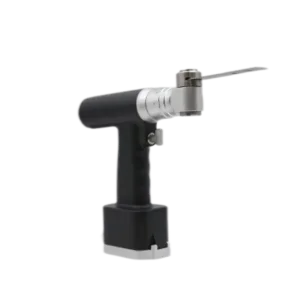
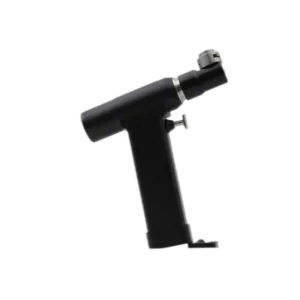
Engineered for high thermal tolerance, constant dynamic torque, and seamless continuous resection across complex trauma and reconstructive procedures.
A technical assessment of brushed carbon motor dynamics, regulatory integration, and localized clinical demand in the Greater Tokyo Area.
Tokyo stands as one of the densest epicenters of advanced medical facilities, academic university hospitals, and specialized trauma networks worldwide. With institutions such as the University of Tokyo Hospital, Tokyo Medical and Dental University (TMDU), and regional tertiary trauma networks managing an unprecedented volume of complex orthogeriatric surgeries, surgical handpiece specifications face rigorous operational criteria. Japan's super-aged society has triggered an acute demand for osteotomy interventions, total joint arthroplasty (TJA), and fragility fracture fixations.
Within this rigorous operating theater environment, the choice of electro-mechanical driving units is a foundational consideration. While brushless motors represent cutting-edge digital control, specialized carbon-brushed motors engineered by certified manufacturers provide irreplaceable technical benefits: instantaneous mechanical stall torque, cost-efficient lifecycle scaling, highly linear voltage-to-speed responsiveness, and electrical simplicity that eliminates electromagnetic interference (EMI) with sensitive neuro-monitoring apparatuses. For distributors, third-party surgical instrument lease companies, and hospital purchasing consortiums across Kanto, balancing performance resilience with capital investment is paramount.
Navigating Japan’s Pharmaceuticals and Medical Devices Agency (PMDA) protocols requires strict adherence to Ministerial Ordinance No. 169. Our carbon-motor configurations incorporate:
Bone necrosis occurs when surgical drilling surpasses critical temperature thresholds (47°C for over 1 minute). Our carbon commutators utilize advanced silver-graphite matrices:
Tokyo healthcare systems emphasize workflow efficiency and lean sterile processing center (SPD) footprints through adaptable handpieces:
Bridging global manufacturing agility with Japan's elite requirements for precision tolerances, long-term parts availability, and lifecycle traceability.
Global original equipment manufacturers (OEMs), international surgical brands, and Japanese primary distributors encounter supply chain friction: prolonged lead times for motor assemblies, erratic commutator brush wear resulting in premature torque drop, and uncertified materials that fail biocompatibility screenings. Addressing these procurement hurdles requires a closed-loop engineering framework where metallurgical formulation, automated coil winding, and post-assembly dynamically balanced testing operate as an integrated discipline.
By implementing sub-micron dynamic balancing (G0.4 balance grade) on motor armatures, parasitic vibration is virtually eliminated. This protects the delicate tactile feedback surgeons rely on when performing high-risk bone resections adjacent to neurovascular structures. Furthermore, our proprietary brush encapsulation architecture guarantees that zero carbon-dust particles escape the hermetic drive chamber, safeguarding sterile fields and extending mechanical life past 1,200 intensive steam sterilization cycles.
Designed for multi-disciplinary surgical application: neurosurgery craniotomy, trauma osteosynthesis, and major joint reconstruction.
Ensuring frictionless integration with Japanese hospital supply chains, DMAH arrangements, and third-party maintenance organizations.
For foreign manufacturers entering Tokyo or Japanese distributors sourcing OEM products, managing the Designated Marketing Authorization Holder (DMAH) legal framework is essential. We supply exhaustive J-GMP compliant device master files, clinical evaluation summaries, and risk assessment protocols matching ISO 14971 guidelines.
Recognizing the rigorous scheduling demands of major trauma centers across the Kanto region, our partner logistics framework facilitates buffer inventories and rapid parts exchange. Standby motors, carbon commutators, and replacement chuck couplings can be dispatched rapidly to mitigate surgical theater downtime.
Every bone drill, oscillating saw, and cannulated handpiece is serialized with individual laser-etched UDI codes. Device tracking spans raw metallurgical ingot sourcing to final multi-point dyno calibration, ensuring complete audit readiness for institutional quality review boards and third-party inspectors.
Key technical, mechanical, and commercial insights for biomedical directors, surgical procurement heads, and distributor networks.